
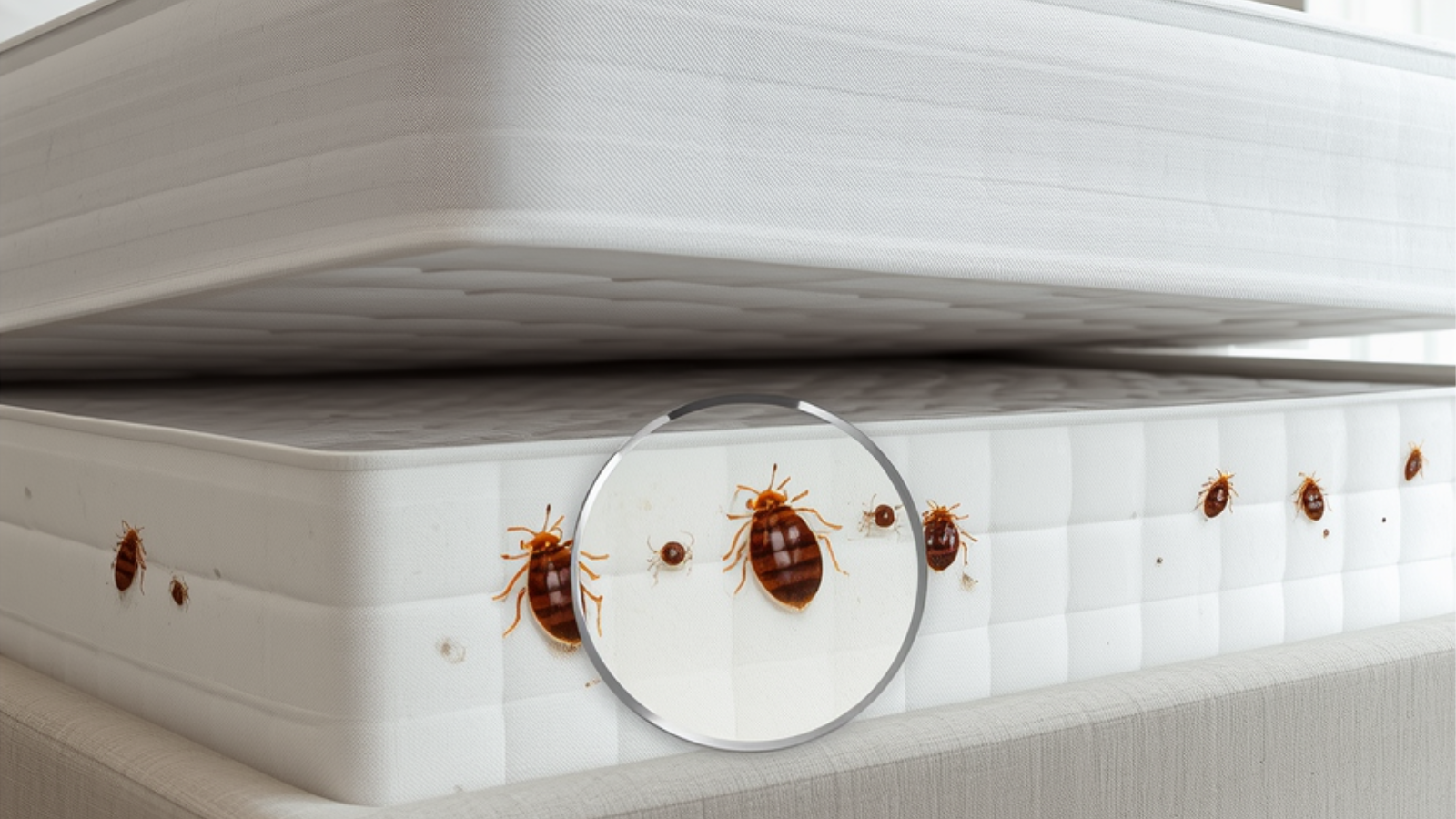
You wake up with a cluster of itchy red marks you don’t remember having last night. Your first thought is probably mosquitoes. Your second thought, especially if the marks are in a line or a cluster, is bed bugs.
Bed bug bites are easy to mistake for other insect bites or skin reactions, and there’s no single test that confirms them at a glance, not even for a doctor. What helps is looking at the pattern together: where the marks are, how they’re arranged, how they’ve changed over a day or two, and whether anyone else in your household is waking up with similar marks.
This guide walks through what bed bug bites typically look like, how they differ from mosquito bites, how to manage the itching, and, more importantly, how to tell whether you’re dealing with bites alone or an infestation that needs professional attention.
A note before we start: this article is for general information only and isn’t a substitute for medical advice. If you have a severe reaction, signs of infection, or you’re simply unsure, please see a doctor or dermatologist for a proper diagnosis.
Table of Contents
What Do Bed Bug Bites Look Like?
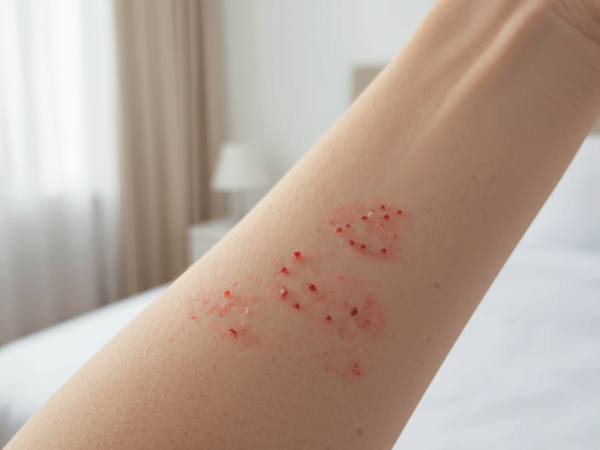
Bed bug bites usually appear as small, raised, red welts, similar in size to a mosquito bite but often firmer and more inflamed at the centre. They tend to show up on skin that’s exposed while you sleep: arms, shoulders, neck, and legs are the most common spots.
A few features come up often enough to be useful clues:
- Clustering. Bites frequently appear in small groups rather than as a single isolated mark, since one bed bug will often feed at several nearby points during a single visit.
- Linear or zigzag patterns. Multiple bites in a rough line or zigzag are a recognised pattern, sometimes nicknamed “breakfast, lunch and dinner,” though not every case follows this neatly.
- Delayed reaction. Unlike a mosquito bite, which usually itches within minutes, a bed bug bite reaction can take anywhere from a few hours to several days to appear, which is part of why the connection to bed bugs often isn’t obvious at first.
- A small red dot at the centre. Some people notice a tiny puncture mark or darker red dot in the middle of the welt, where the bite occurred.
It’s worth being upfront here: bite appearance varies a lot between individuals. Some people barely react at all, while others develop noticeably swollen, itchy welts from the same exposure. This is why bite marks alone, without other physical evidence, aren’t considered a reliable way to confirm bed bugs on their own.
Bed Bug Bites vs Mosquito Bites vs Other Insect Bites
Because Singapore’s climate means mosquito bites are a near-daily occurrence for many households, it helps to know what separates the two.
| Feature | Bed Bug Bites | Mosquito Bites | Flea Bites |
| Onset of itching | Delayed, hours to days | Almost immediate | Fairly quick, within hours |
| Pattern | Clustered or linear | Random, scattered | Clustered, often around ankles |
| Common location | Arms, shoulders, neck, legs (skin exposed while sleeping) | Anywhere exposed, especially outdoors | Lower legs and ankles |
| Timing | Bites appear after sleeping in an infested area | Anytime, often outdoors or near standing water | Often from pets or carpeted areas |
| Welt texture | Firm, raised, sometimes with a central dot | Soft, puffy | Small, hard, intensely itchy |
If the bites appeared after a night’s sleep, are clustered on one side of your body, and you’ve also noticed unusual marks on your bedsheets, that combination points more toward bed bugs than mosquitoes. A single itchy bite picked up during an evening walk is far more likely to be a mosquito. If the bites are concentrated around the ankles and you have pets at home, it’s also worth ruling out fleas, our flea and mite control services cover that distinction in more detail.
Why Bed Bugs Bite While You Sleep
Bed bugs are nocturnal feeders that rely on carbon dioxide and body heat to locate a host, which is why bites tend to appear after a night’s sleep rather than during the day. When a bed bug feeds, it injects a small amount of saliva containing an anticoagulant, a substance that keeps blood flowing during the short feeding period. This saliva is what triggers the body’s histamine reaction: the redness, swelling, and itching associated with a bite.
Because the feeding process itself is usually painless, most people don’t wake up during it. The itching and visible welt only develop afterwards, once the immune system responds to the proteins in the saliva, which is part of why the delay between the bite and the visible reaction can be confusing.
How Long Do Bed Bug Bites Last?
For most people, the redness and itching from a bed bug bite fade within one to two weeks, similar to a mosquito bite, though the timeline varies depending on individual sensitivity. Some people experience only a mild, short-lived mark, while others develop more pronounced, longer-lasting welts, particularly with repeated exposure over several nights.
Scratching can prolong healing and increases the risk of skin infection, so it’s worth managing the itch rather than picking at the area (more on that below). If a bite mark hasn’t improved after two to three weeks, or appears to be getting worse rather than better, it’s a good idea to have it checked by a doctor rather than assuming it will resolve on its own.
Do Bed Bug Bites Appear in a Line?
Often, yes, though not always. A single bed bug may feed at multiple points along an exposed area of skin during one feeding session, which can create a line or a loose zigzag of bites spaced roughly a few centimetres apart. This pattern is one of the more recognisable indicators associated with bed bugs, but it isn’t definitive on its own. Other insects, and even some skin conditions unrelated to pests, can produce similar-looking clusters.
If you’re noticing a linear bite pattern alongside other signs, blood spots on your sheets, a musty odour near the mattress, or small brown excrement marks along seams, that combination is a much stronger indicator than the bite pattern by itself.
How to Relieve Bed Bug Bite Itching at Home
While you sort out whether the underlying cause is bed bugs, a few general measures can help manage the discomfort:
- Wash the affected area gently with soap and water to reduce the risk of infection
- Apply a cold compress to reduce swelling and itching
- Avoid scratching, which can break the skin and lead to secondary infection
- Over-the-counter antihistamines or anti-itch creams may help with symptom relief, check with a pharmacist for a suitable option
- Keep nails trimmed short, especially for children, to limit skin damage from scratching during sleep
These steps address the symptoms, not the source. If bed bugs are actually present, new bites will keep appearing regardless of how well you manage the existing ones, which is usually the point where people realise home remedies alone aren’t enough.
When Bed Bug Bites Signal an Infestation
Bites alone don’t confirm an infestation, but bites combined with any of the following are a strong signal that bed bugs are present, not just passing through:
- Small blood stains or dark spots on bedsheets and mattress seams
- Shed skins or tiny brown excrement near mattress corners, seams, or behind furniture
- A musty, sweetish odour in the bedroom or upholstered furniture
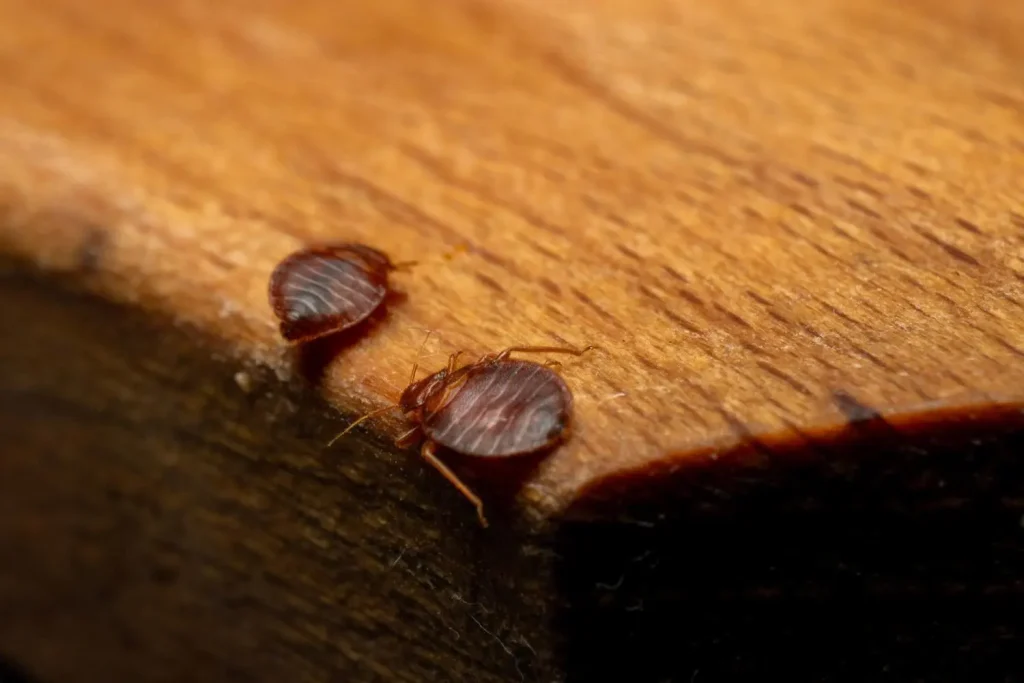
- Visible reddish-brown, flat insects roughly the size of an apple seed
- Small clusters of pale, oval eggs tucked into crevices or furniture joints
- New bites appearing on multiple household members after sleeping in the same room
If several of these line up with the bites you’re seeing, it’s reasonable to treat it as a likely infestation rather than continuing to guess. This is exactly the kind of situation residential pest control services are designed for, confirming what’s actually happening before deciding on treatment. For a full walkthrough of where to check and what the evidence actually looks like, see our room-by-room bed bug inspection checklist.
Book a professional inspection to identify the source of the bites before the infestation spreads further into other rooms or furniture.
Health Risks and When to See a Doctor
For most people, bed bug bites are an itchy nuisance rather than a serious health threat. Unlike mosquitoes, bed bugs aren’t currently known to transmit disease through their bites. That said, a few situations are worth taking seriously:
- Signs of skin infection, increasing redness, warmth, swelling, or pus around a bite, which can happen after scratching breaks the skin
- A widespread allergic reaction, hives spreading beyond the bite sites, facial swelling, or difficulty breathing, which would need urgent medical attention
- Sleep disruption and anxiety, repeated bites and the stress of an infestation can genuinely affect sleep quality and mental wellbeing, and that’s worth acknowledging, not dismissing
If you notice any of the above, or you’re simply not sure what you’re dealing with, see a doctor or dermatologist rather than trying to self-diagnose from photos online. This article can help you recognise patterns worth paying attention to, but it isn’t a substitute for a proper medical assessment.
How to Confirm It’s Actually Bed Bugs, Not Something Else
Because bite appearance alone isn’t reliable, confirming bed bugs usually comes down to physical evidence in the sleeping area, not the skin. A few practical steps:
- Check your mattress seams and piping for tiny dark spots (excrement), shed skins, or the bugs themselves
- Lift your mattress and check the bed frame joints, particularly if it’s a wooden or upholstered frame
- Inspect nearby furniture, bedside tables, headboards, and upholstered chairs near the bed
- Use a torch and check during the day, bed bugs hide in tight, dark spaces and are easiest to spot with a focused light
- Note the timing, if bites consistently appear after sleeping in one specific room but not elsewhere, that’s a meaningful clue
If this check turns up nothing but the bites continue, it’s still worth a professional inspection. Bed bugs are skilled at hiding in places a visual check alone can miss, inside box springs, behind skirting boards, and within wall voids in adjoining units.
Preventing Bed Bug Bites
Because bed bugs are usually introduced from outside rather than appearing spontaneously, prevention mostly comes down to being cautious about what enters your home:
- When travelling, check hotel mattress seams and headboards before unpacking, and keep luggage off the bed and floor where possible
- After a trip, wash and heat-dry clothing on a hot cycle, and inspect luggage before bringing it into the bedroom
- With secondhand furniture, inspect mattresses, sofas, and upholstered items carefully before bringing them home, bed bugs commonly hitch a ride this way
- In shared or high-rise living, be aware that bed bugs can migrate between HDB and condo units through wiring gaps, wall voids, and shared corridors, so a neighbour’s infestation can become yours
- Reduce clutter near the bed, fewer hiding spots make early detection easier if bed bugs are introduced
None of these steps make a property immune, bed bugs can affect the cleanest homes, since they’re drawn to hosts, not dirt. But they do reduce the odds of an infestation taking hold unnoticed.
It’s not just homes, either. Hotels, offices, dormitories, and transport hubs are common bed bug hotspots because of the constant turnover of people and belongings passing through. If you manage a commercial or hospitality space, our commercial pest control services can help pair prevention with a proactive inspection routine, rather than waiting for a guest or staff complaint.
Speak with our pest specialists for tailored advice if you’ve recently travelled, bought secondhand furniture, or noticed bites appearing after visitors have stayed over.
Professional Bed Bug Inspection & Treatment
Bed bugs are widely considered one of the more difficult pests to eliminate without professional help, largely because they hide deep within mattresses, furniture joints, and wall cavities where sprays and home remedies rarely reach. Our bed bug control solutions at Pest Free Management follow a structured process:
- Professional inspection. Our technicians check the bed, furniture, and surrounding areas to locate hiding spots and assess how far the infestation has spread.
- Flushing and crack treatment. Specialised tools and targeted applications flush bed bugs out of cracks, joints, and seams that a visual check alone would miss.
- Residual chemical treatment. We use NEA-approved, low-odour treatments designed to be safe for households with children, elderly family members, and pets.
- Heat treatment (where appropriate). For sensitive environments, such as childcare centres or households with allergy concerns, non-chemical heat treatment is available as an alternative to eliminate bed bugs at all life stages.
- Follow-up and monitoring. Because bed bug eggs can survive an initial treatment and hatch afterwards, a follow-up visit helps confirm the infestation has actually been cleared, not just reduced.
Bed bugs typically need more than one treatment visit to fully resolve, and being upfront about that is part of setting realistic expectations rather than promising an instant fix.
For heavily affected rooms, some households also opt for a post-treatment bed bug decontamination service to clean up shed skins, droppings, and residual allergens left behind, particularly useful for allergy-prone households or after a prolonged infestation.
Key Takeaways
- Bed bug bites typically appear as clustered or linear red welts on skin exposed while sleeping, with itching often delayed by hours or days.
- Bite appearance alone isn’t a reliable way to confirm bed bugs, physical evidence like blood spots, shed skins, and a musty odour matters more.
- Bed bug bites don’t currently carry known disease transmission risk, but scratching can lead to skin infection, and severe reactions warrant medical attention.
- Bed bugs are usually introduced from travel, secondhand furniture, or shared building spaces, not from poor hygiene.
- Home remedies manage itching but don’t address an underlying infestation, new bites will keep appearing if bed bugs are actually present.
- Bed bugs are difficult to eliminate without professional treatment because they hide deep within mattresses, furniture, and wall cavities.
- A proper inspection, not a home bite check, is the most reliable way to confirm whether you’re dealing with bed bugs.
Frequently Asked Questions
1. What do bed bug bites look like?
Typically small, raised, red welts that may have a darker red dot at the centre, often appearing in clusters or a loose line on skin exposed while sleeping, such as arms, shoulders, neck, and legs. Reactions vary widely between individuals, so appearance alone isn’t a definitive way to confirm bed bugs.
2. How long do bed bug bites last?
For most people, the redness and itching fade within one to two weeks, though this varies with individual sensitivity and how much scratching occurs. If a bite hasn’t improved after two to three weeks, it’s worth having it checked by a doctor.
3. Do bed bug bites appear in a line?
Often, yes. A single bed bug may bite several times in one feeding session, creating a line or zigzag pattern spaced a few centimetres apart. This pattern is a helpful clue but isn’t conclusive on its own, it’s most useful when combined with other physical evidence like shed skins or blood spots on bedding.
5. How can I tell bed bug bites from mosquito bites?
Bed bug bites tend to itch with a delay of hours to days, appear in clusters or lines, and show up on skin exposed while sleeping. Mosquito bites usually itch almost immediately and appear randomly, often after time spent outdoors. If bites appear specifically after sleeping in one room, that points more toward bed bugs.
5. Can bed bug bites make you sick?
Bed bugs aren’t currently known to transmit disease through bites. The main risks are skin infection from scratching, allergic reactions in sensitive individuals, and disrupted sleep from repeated bites. Severe reactions should be assessed by a doctor.
Have a different question? Check our full pest control FAQ for more answers on treatment, safety, and pricing.
Request a free consultation or schedule a bed bug inspection today with Pest Free Management to confirm what’s behind your bites, and get a treatment plan that actually clears the source.