
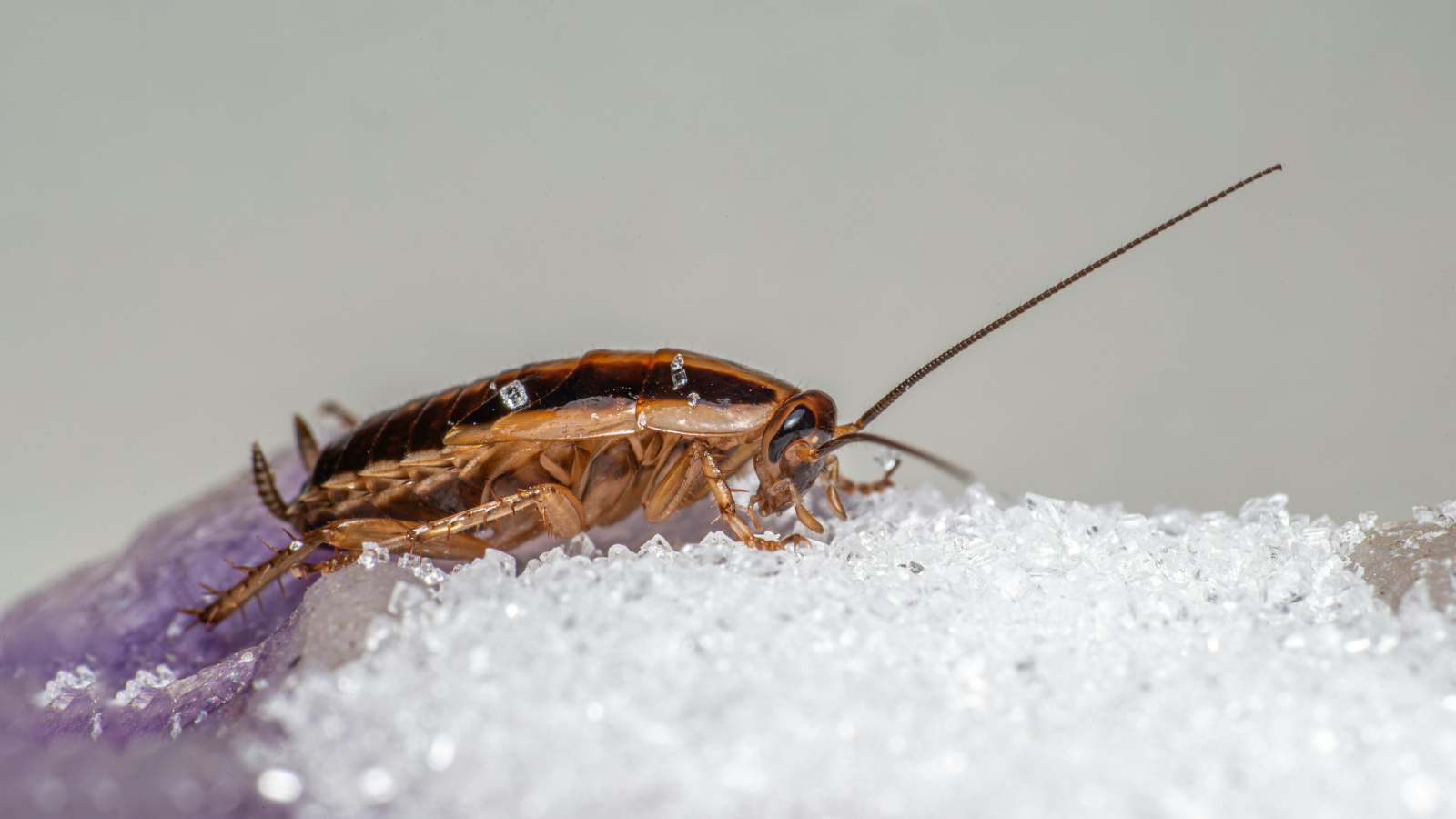
You spotted a cockroach scuttling across the kitchen floor last night. Now you’re wondering: was that a one-off, or is there a colony living behind your fridge?
It’s a fair question. Cockroaches are experts at staying hidden. They squeeze into wall gaps, pipe conduits and the underside of cabinets, often for weeks, before a homeowner or business owner notices anything’s wrong. By the time you’re seeing them in daylight, the infestation is usually well established.
This guide walks through the nine warning signs that separate “I saw one roach” from “I have an infestation,” why Singapore’s climate makes this such a common problem, and how to decide between a DIY response and calling in professional help.
Table of Contents
Is One Cockroach a Sign of Infestation?
Not necessarily, but it’s worth taking seriously.
A single cockroach spotted once, especially near an open window, a delivery box, or a common corridor in an HDB block, could be a stray that wandered in. It happens, particularly in older estates where cockroaches move freely between units through shared risers and drainage pipes.
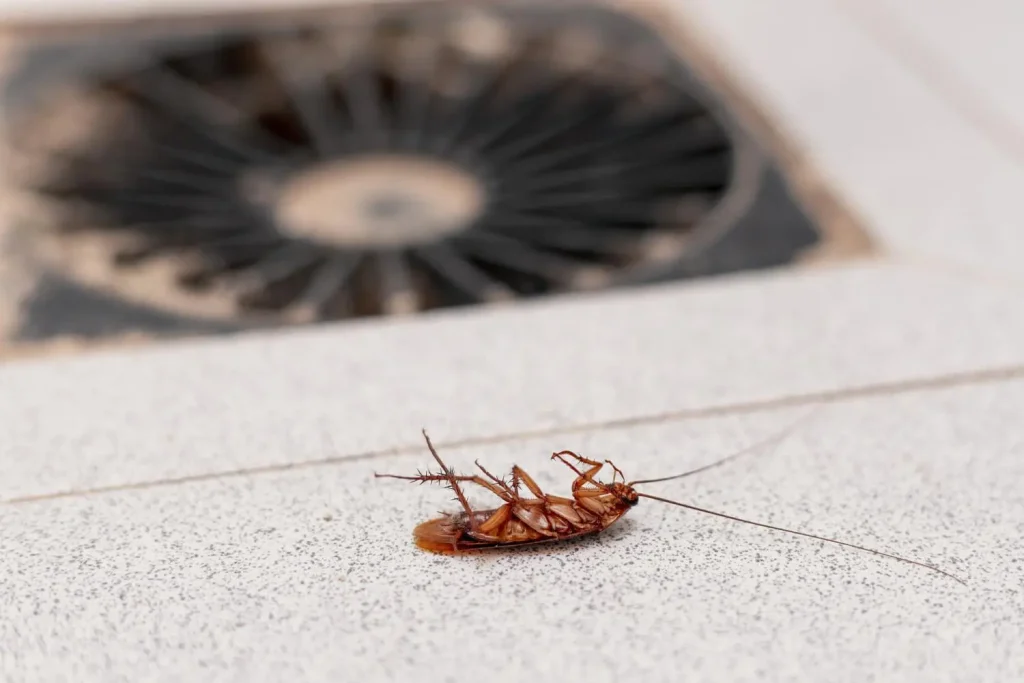
What tips the scale from “isolated sighting” to “likely infestation” is repetition and context. Seeing a cockroach more than once in the same week, spotting one during the day, or noticing it in a spot roaches don’t normally travel through (your bedroom, a cupboard, a desk drawer) are all stronger signals. Cockroaches are nocturnal by nature. If one is out and about while the lights are on, it’s often because the hiding spots are already full.
The honest answer is that you can’t be 100% certain from a single sighting alone. That’s exactly why the signs below matter more than any one data point on its own.
9 Warning Signs of a Cockroach Infestation in Singapore
1. Droppings that look like coffee grounds or ground pepper
Cockroach droppings are one of the clearest tells. Smaller German cockroaches leave specks that resemble ground coffee or black pepper, usually clustered near food storage areas, under sinks, or along skirting boards. Larger American cockroaches leave bigger, cylindrical droppings with ridged sides. Either way, a scattering of these in your kitchen or pantry is rarely a coincidence.
2. A persistent musty or oily odour
Cockroaches release pheromones to communicate with each other, and in large numbers, this produces a distinct, slightly oily, musty smell. Many homeowners describe it as similar to a damp basement or old newspaper. If the smell lingers even after a thorough clean, it usually means there’s an active population nearby, not just a passing visitor.
3. Egg cases (oothecae) tucked into hidden corners
Female cockroaches carry or deposit small, oval-shaped egg cases called oothecae in dark, undisturbed spots, behind appliances, inside cracks, under furniture. Each case can hold anywhere from a dozen to several dozen eggs depending on the species. Finding even one or two of these is a strong sign that a breeding population, not just a wandering adult, is present.
4. Shed skins from growing nymphs
Young cockroaches (nymphs) shed their exoskeletons several times as they mature, leaving behind translucent, roach-shaped casings. These tend to collect in the same hidden spots as droppings and egg cases. Finding shed skins alongside droppings is a fairly reliable sign that a colony has been established for some time.
5. Smear marks along walls and skirting
In humid, moisture-heavy areas like bathrooms and kitchens, cockroaches sometimes leave dark, irregular smear marks as they move along walls or skirting boards. These marks are easy to mistake for grime, but they tend to appear along the same repeated paths, close to gaps, pipe entry points, or the base of cabinets.
6. Seeing cockroaches during the day
As mentioned earlier, cockroaches avoid light and human activity whenever they can. A daytime sighting, especially more than once, usually means overcrowding has pushed some individuals out of their preferred hiding spots to forage. This is one of the signs Singapore pest technicians treat as an immediate red flag rather than a coincidence.
7. Unexplained allergy flare-ups or skin irritation
Cockroach allergens, shed skin fragments, saliva and droppings, are a recognised trigger for asthma and allergic reactions, particularly in children. If someone in your household has developed unexplained sniffling, skin irritation, or more frequent asthma symptoms with no other obvious cause, it’s worth considering whether a hidden infestation is contributing.
8. Chewed packaging or nibbled food
Cockroaches aren’t fussy eaters. They’ll chew through cardboard, paper packaging, and even the glue on cereal boxes to reach food inside. If you’re finding small chew marks on stored food packaging, especially in the pantry or near the bin, that’s consistent with roach activity rather than typical wear and tear.
9. Numbers that keep climbing despite cleaning
This is the sign that usually prompts homeowners to finally call for help. If you’ve cleaned thoroughly, thrown out clutter, and are still seeing roaches, sometimes more of them, it’s a strong indication that the nesting site itself hasn’t been addressed. Cockroaches breed fast, and surface-level cleaning rarely reaches where the colony is actually living.
Why Cockroaches Thrive in Singapore Homes and Businesses
Singapore’s warm, humid climate keeps cockroaches active and breeding all year round, unlike countries with a cold season that naturally slows pest activity. A few local factors make this worse:

- High-rise living. In HDB flats and condos, cockroaches move between units through shared risers, bin chutes, and plumbing conduits. One neighbour’s infestation can quickly become several.
- Food and beverage density. Singapore’s abundance of hawker centres, coffee shops, and residential kitchens means food waste and grease are rarely far away.
- Humidity. Cockroaches need moisture to survive, and Singapore’s average humidity gives them exactly that, in bathrooms, kitchens, and poorly ventilated storage areas.
- Common corridors and bin centres. Shared spaces in condos and HDB estates give cockroaches safe travel routes between properties, especially at night.
None of this means an infestation is inevitable. But it does explain why cockroach problems here tend to return quickly if the underlying conditions, moisture, food access, and hiding spots, aren’t addressed alongside the treatment itself.
German vs American Cockroach: Singapore’s Two Main Culprits
Most cockroach complaints in Singapore homes and F&B outlets come down to two species, and telling them apart matters because their behaviour, and the right treatment approach, differs.
| Feature | German Cockroach | American Cockroach |
| Size | Small, about 1.3–1.6cm | Large, up to 4–5cm |
| Colour | Light brown with two dark stripes behind the head | Reddish-brown, glossy |
| Common location | Kitchens, near food and moisture | Drains, sewers, basements, bin areas |
| Flight | Cannot fly | Can fly short distances |
| Breeding speed | Very fast, large egg cases | Slower, but longer-lived |
| Typical setting | Homes, F&B kitchens | Commercial premises, drains, older buildings |
German cockroaches are the ones most homeowners deal with, small, fast-breeding, and drawn to kitchens and food prep areas. American cockroaches, sometimes called “sewer roaches,” are more common in drains, refuse areas, and older commercial buildings, and their size tends to alarm people more even though both species carry similar health risks.
Health Risks of a Cockroach Infestation
Cockroaches aren’t just unpleasant to see. As they move between drains, rubbish areas, and food waste before entering kitchens and food prep surfaces, they can pick up and spread bacteria such as Salmonella and E. coli, contributing to food contamination risk in both homes and F&B premises.
Their shed skins, droppings, and saliva are also a well-documented allergen source, linked to asthma flare-ups and skin irritation, particularly in children and in homes where ventilation is limited. This is one of the reasons Singapore’s food establishments are held to strict pest management standards under National Environment Agency (NEA) vector control guidelines, and why F&B outlets in particular are expected to have a proactive, documented pest control programme rather than a reactive one.
If anyone in your household or workplace has ongoing respiratory or skin symptoms with no clear cause, it’s worth mentioning a possible pest connection to your doctor, alongside addressing the infestation itself.
For long-running or severe infestations, a post-infestation decontamination service can also help remove residual droppings, shed skins, and allergens that linger even after the cockroaches themselves are gone.
DIY vs Professional Treatment: When Each Makes Sense
When DIY methods can help
For an isolated sighting or very early-stage activity, some DIY steps are genuinely worth trying first:
- Deep-clean kitchen cabinets, behind appliances, and under sinks
- Seal visible cracks and gaps around pipes, skirting, and windows
- Store food, including pet food, in airtight containers
- Fix any leaking taps or damp areas that provide a water source
- Use gel baits in cracks and corners rather than surface sprays, which tend to scatter roaches rather than eliminate them
Why DIY often falls short against an established infestation
Store-bought sprays kill roaches on contact, but they don’t reach the nesting sites hidden inside wall cavities, behind heavy appliances, or deep within cabinetry. Cockroaches that survive a spray often relocate further into the property, making the problem harder to track. If you’ve tried cleaning and shop sprays and you’re still seeing roaches, particularly in growing numbers, it’s usually a sign that the nesting site hasn’t been eliminated, not that you haven’t tried hard enough.
This is the point where a professional inspection makes the difference: identifying exactly where the colony is nesting, not just treating the roaches you can see. It’s the same reasoning behind residential pest control services being structured around inspection first, treatment second, rather than treatment alone. If DIY methods haven’t worked, our cockroach control solutions are built around that same inspection-first approach.
Book a professional inspection to identify the source of the infestation before it spreads further.
What Happens During a Professional Cockroach Inspection
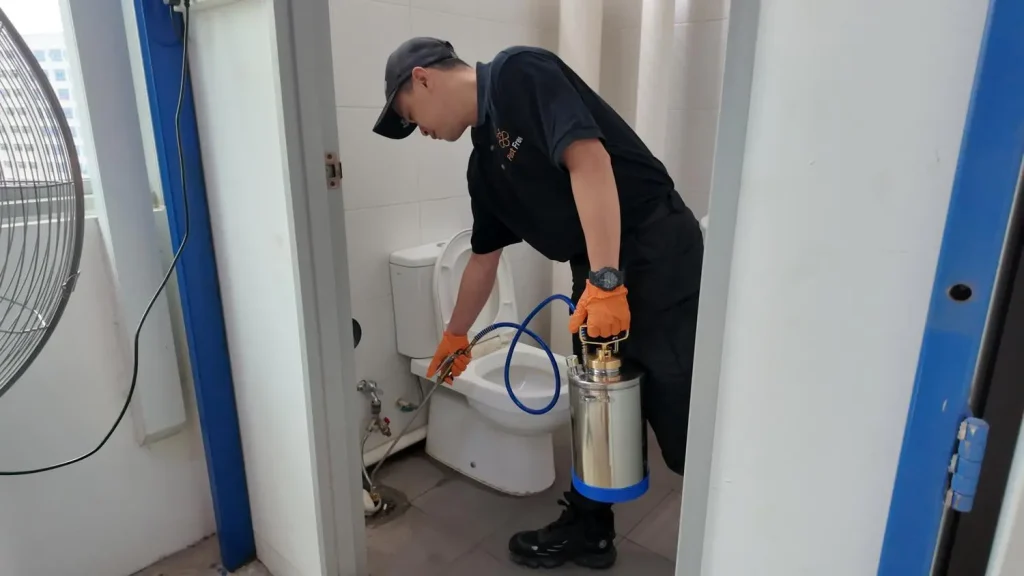
When Pest Free Management is called in for a suspected cockroach infestation, our technicians follow a structured process rather than jumping straight to spraying:
- Inspection. We check kitchens, storage areas, behind appliances, and along pipe runs to locate nests, droppings, and egg cases, and to identify entry points.
- Flushing. Where needed, we flush cockroaches out of cracks and crevices to expose hidden activity that a visual check alone would miss.
- Targeted treatment. Depending on the severity and species, our team may use gel baiting, residual treatments, or insect growth regulators (IGRs) that disrupt the cockroach breeding cycle, targeting the colony rather than just visible roaches.
- Follow-up. Because cockroach eggs can hatch after the initial treatment, a follow-up check helps confirm the infestation is under control rather than just temporarily reduced.
Every property is different, and the right combination of methods depends on what the inspection finds. A single treatment method rarely covers every situation on its own.
Speak with our pest specialists for tailored advice based on your property, whether it’s an HDB kitchen, a condo unit, or a commercial kitchen.
Cockroaches in F&B and Commercial Premises
Cockroach infestations carry extra weight for restaurants, cafés, and food processing facilities. Beyond the health risk, a cockroach sighting can trigger a failed hygiene inspection, reputational damage from a customer complaint or social media post, and in serious cases, regulatory action under Singapore Food Agency (SFA) food hygiene requirements.
F&B operators are generally expected to maintain documented, ongoing pest control rather than calling for help only after a sighting. The same applies more broadly to offices, warehouses, and industrial facilities, where our commercial pest control services follow the same inspection-led approach. If you manage a food outlet specifically, our pest control for F&B outlets is built around SFA and NEA compliance requirements. German cockroaches in particular are the species most linked to F&B infestations in Singapore, and we’ve covered why they target commercial kitchens and what SFA-compliant treatment looks like in more detail.
Preventing Cockroaches From Coming Back
Treatment solves the immediate problem. Prevention keeps it from returning. A few habits make a meaningful difference:
- Wipe down kitchen surfaces and stovetops after cooking, grease residue is a major attractant
- Take out rubbish daily rather than letting it sit overnight
- Store dry goods, including pet food, in sealed containers rather than opened packaging
- Fix leaking pipes and taps promptly, cockroaches need a water source to survive
- Seal gaps around pipe entry points, skirting boards, and window frames
- Avoid leaving unwashed dishes in the sink overnight
- For condo and HDB residents, keep an eye on shared bin areas and flag ongoing issues to your management corporation or town council
None of these steps guarantee a cockroach-free home on their own, but combined with a proper inspection and treatment, they meaningfully reduce the chances of a repeat infestation. The same prevention principles, moisture control, sealed food storage, and prompt waste disposal, apply across our full range of pest control services, not just cockroaches.
Quick Self-Check Checklist
Use this as a fast reference the next time you’re unsure whether what you’re seeing is a stray roach or something bigger:
- [ ] Droppings resembling coffee grounds or pepper near food storage
- [ ] A persistent musty or oily smell in the kitchen or bathroom
- [ ] Egg cases (oothecae) found in cracks or behind appliances
- [ ] Shed skins or nymph casings in hidden corners
- [ ] Smear marks along walls or skirting in humid areas
- [ ] Cockroaches seen during the day, not just at night
- [ ] Unexplained allergy or asthma flare-ups at home
- [ ] Chewed food packaging in the pantry
- [ ] Roach numbers not decreasing despite cleaning
If you’ve ticked two or more boxes, it’s a reasonable time to book a professional inspection rather than continue with DIY measures alone.
Key Takeaways
- A single cockroach sighting isn’t automatically an infestation, but repeated sightings, daytime activity, and droppings are strong indicators that one is underway.
- Droppings, oothecae (egg cases), shed skins, and smear marks are the most reliable physical signs to check for.
- Singapore’s humidity, high-rise living, and food and beverage density make cockroach infestations a recurring risk, not a one-off event.
- German cockroaches dominate kitchens; American cockroaches are more common in drains and commercial premises.
- DIY cleaning and gel baits can help with early-stage activity, but an infestation that persists despite cleaning usually means the nesting site hasn’t been eliminated.
- F&B businesses face added compliance and reputational risk from cockroach activity under SFA and NEA requirements.
- Prevention (moisture control, sealed food storage, prompt waste disposal) works best alongside, not instead of, professional treatment.
Frequently Asked Questions
1. How do you know if you have a cockroach infestation?
Look for a combination of signs rather than relying on a single sighting: droppings resembling coffee grounds, a persistent musty smell, egg cases or shed skins in hidden corners, and cockroaches appearing during the day. Two or more of these together usually point to an active infestation rather than a stray visitor.
2. How many cockroaches means infestation?
There’s no fixed number, since it depends on how visible the signs are and how the population is behaving. Repeated daytime sightings, growing numbers despite cleaning, and physical evidence like droppings or oothecae are more reliable indicators than a specific count.
3. Can one cockroach mean infestation?
Not necessarily, a single sighting could be a stray that wandered in through a shared corridor, drain, or open window. It’s worth monitoring for the other signs covered in this guide before assuming the worst, but it’s also not something to ignore completely, especially in HDB and condo settings where pests travel easily between units.
4. Do cockroaches go away on their own?
Rarely. Cockroaches breed quickly and are skilled at finding new hiding spots, so an infestation left untreated tends to grow rather than resolve itself, even with regular cleaning.
5. Is it normal to see cockroaches in Singapore?
Occasional sightings are common given Singapore’s climate and urban density, but frequent or daytime sightings are not something to treat as normal. They’re usually a sign that intervention, DIY or professional, is overdue.
Got a question that isn’t covered here? Check our full pest control FAQ for more answers on treatment, safety, and pricing.
Request a free consultation or schedule a pest inspection today with Pest Free Management to find out exactly what’s behind your cockroach problem, and what it will take to solve it for good.