
If you suspect bed bugs, staring at a bite mark won’t tell you much. The real evidence is hiding elsewhere, tucked into mattress seams, wedged behind headboards, folded into the piping of a sofa cushion. Knowing exactly where and how to look is what turns a vague suspicion into a confirmed answer.
This checklist walks through every room worth checking, what bed bug evidence actually looks like up close, and how to inspect a mattress properly for bed bugs infestation rather than just glancing at the surface. It ends with what to do if you find something, and when it’s time to stop DIY-checking and call in a professional inspection instead.
Table of Contents
What’s the First Sign of Bed Bugs?
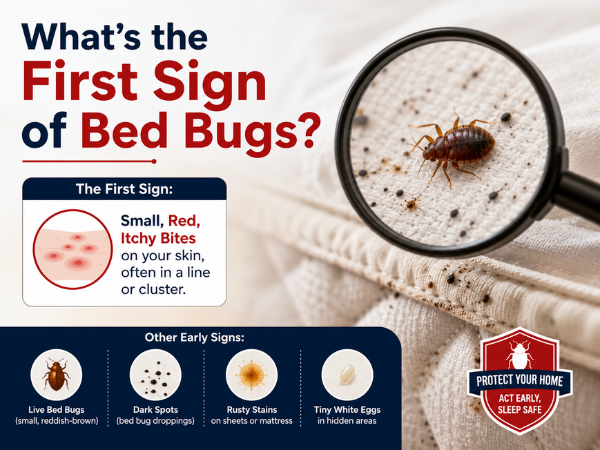
For most people, the first sign is either unexplained bite marks appearing after sleep, or small reddish-brown or black spots on bedsheets that weren’t there before. These spots are usually a combination of digested blood (excrement) and, less commonly, actual blood smears from a bed bug being crushed during sleep. If you’re trying to work out whether recent bites are actually bed bug related, our guide to identifying and treating bed bug bites covers that in more detail.
Bites alone aren’t reliable confirmation on their own, since reactions vary between individuals and can resemble other insect bites. The spotting on sheets, particularly when it appears in small, scattered clusters near the top or sides of a mattress, tends to be the first sign that prompts people to start looking further, which is exactly what this checklist is for.
Where Do Bed Bugs Hide During the Day?
Bed bugs are flat, thin, and skilled at squeezing into extremely tight spaces, roughly anything the width of a credit card edge. During the day, they retreat to dark, undisturbed areas close to where you sleep, which is why inspection needs to go well beyond the mattress surface:
- Mattress seams, piping, and tags
- Box spring corners and the underside fabric
- Bed frame joints, screw holes, and headboard attachment points
- Cracks in wooden furniture near the bed
- Behind wallpaper edges or loose wall outlet covers near the bed
- Inside nightstands, particularly drawer joints
- Along skirting boards and carpet edges near the bed
- Sofa and armchair seams, especially if anyone naps or sleeps there
The common thread is proximity to where someone sleeps or rests for extended periods, and a preference for tight, dark crevices rather than open surfaces.
Book a professional inspection to confirm the extent of the infestation and get a proper treatment plan started before it spreads further.
What You’ll Need Before You Start
A proper self-inspection doesn’t require special equipment, but a few tools make it significantly more effective:
- A torch or phone flashlight, for checking dark seams and crevices
- A credit card or old gift card, useful for running along tight seams to dislodge hiding bugs
- A magnifying glass (optional), helpful for confirming small evidence like eggs or fecal spotting
- Light-coloured bedsheets, easier to spot dark droppings or blood spots against
- A vacuum with a crevice attachment, for the follow-up clean-up step, not the inspection itself

Room-by-Room Bed Bug Inspection Checklist
Bedroom (start here, it’s where most infestations originate)
- [ ] Strip bedsheets and check seams, corners, and folds for spotting or live bugs
- [ ] Run a card along mattress seams and piping
- [ ] Lift the mattress and check the top and sides of the box spring
- [ ] Check the box spring’s underside fabric, lift or gently pull back if possible
- [ ] Inspect bed frame joints, especially wooden frames with screw holes
- [ ] Check behind and underneath the headboard, particularly where it meets the wall
- [ ] Inspect nightstand drawers, especially the joints and undersides
- [ ] Check curtains and blinds near the bed, especially folds and hems
- [ ] Look along the carpet edge and skirting board around the bed’s perimeter
- [ ] Check any wall outlet covers or loose wallpaper near the bed
Living Room
- [ ] Check sofa and armchair seams, especially if anyone naps there regularly
- [ ] Lift sofa cushions and check the frame underneath
- [ ] Inspect any fabric-covered furniture joints or piping
- [ ] Check along skirting boards near seating areas
Closets and Luggage
- [ ] Inspect luggage seams and linings, especially after recent travel
- [ ] Check folded clothing stored near the bed or in affected rooms
- [ ] Inspect closet corners and shelving joints
Other Areas Worth a Quick Check
- [ ] Any secondhand or recently acquired furniture in the home
- [ ] Guest room or spare bed, if visitors have stayed recently
- [ ] Car seats, if you suspect bed bugs may have travelled with you
How to Inspect a Mattress and Box Spring Properly
The mattress and box spring are the highest-yield areas for bed bug evidence, so it’s worth doing this step thoroughly rather than a quick glance.
- Strip the bed completely. Remove all sheets, pillowcases, and mattress protectors.
- Examine the seams first. Run your fingers or a card along every seam, corner, and the manufacturer’s tag, this is where bed bugs and eggs are most commonly found.
- Check the mattress surface in raking light. Angle a torch across the surface at a low angle rather than straight down, this makes small dark spotting easier to spot against light-coloured fabric.
- Lift the mattress and inspect the box spring top. Look along the fabric seams and any stapled edges.
- Check the box spring’s underside. If the fabric can be gently lifted or has an inspection flap, check the wooden frame and corners underneath.
- Inspect the bed frame itself. Pay particular attention to joints, screw holes, and any hollow sections in wooden or metal frames.
- Repeat the seam check with fresh eyes. Bed bugs and eggs are small, a second pass often catches what the first one missed.
If this process turns up nothing but you’re still experiencing symptoms consistent with bed bugs, it’s worth extending the inspection to the wider room (furniture, skirting boards) before ruling it out entirely.
What Bed Bug Evidence Actually Looks Like
Knowing what you’re looking for makes a significant difference. Here’s what each type of evidence typically looks like:
| Evidence Type | Appearance | Where to Find It |
| Live bed bugs | Flat, oval, reddish-brown, about the size of an apple seed (adults); nymphs are smaller and paler | Seams, crevices, cracks near the bed |
| Fecal spotting | Small, dark brown to black spots, may smear slightly if fresh | Mattress seams, box spring, skirting boards |
| Blood smears | Small reddish-brown streaks | Sheets, mattress surface |
| Eggs | Tiny, pale, oval, about 1mm, often in small clusters | Deep in seams, cracks, furniture joints |
| Shed skins (exoskeletons) | Translucent, bed-bug-shaped casings | Same areas as live bugs, since nymphs shed as they grow |
Finding even a small amount of this evidence, particularly eggs or shed skins alongside fecal spotting, is a much stronger indicator than bite marks alone, since it confirms bed bugs have actually been living and breeding in that specific spot.
Using Bed Bug Interceptor Traps to Confirm Activity
If a visual inspection is inconclusive but you’re still suspicious, bed bug interceptor traps are a simple, low-cost way to gather more evidence over time. These small dish-like traps sit under each bed leg, creating a barrier that catches bed bugs attempting to climb up to or down from the bed at night.
Leave interceptor traps in place for at least a week or two, checking them regularly. Finding even one bed bug in a trap is a reliable confirmation of activity, since these traps are specifically designed to intercept bed bugs on their normal travel path between hiding spots and the bed.
Request a free consultation or schedule a bed bug inspection today with Pest Free Management if your self-check found any evidence, or if you’re still unsure after a thorough look.
How Do I Know for Sure If I Have Bed Bugs?
The most reliable confirmation combines more than one type of evidence: physical signs (fecal spotting, shed skins, or live bugs) found during a thorough inspection, ideally supported by interceptor trap results over time. Bite marks alone aren’t considered definitive, since bite reactions vary widely and can resemble other causes.
If you’ve done a thorough room-by-room check, used interceptor traps, and you’re still unsure, that’s a reasonable point to bring in a professional inspection. Trained technicians are familiar with less obvious hiding spots and can use additional detection methods that go beyond what a home inspection typically covers.
What to Do If You Find Evidence
If your inspection turns up fecal spotting, shed skins, eggs, or live bugs, a few immediate steps help limit the spread while you arrange treatment:
- Don’t move mattresses or furniture to other rooms, this is one of the most common ways bed bugs spread within a home
- Wash and heat-dry affected bedding and clothing on the hottest safe setting
- Vacuum affected seams and cracks thoroughly, then dispose of the vacuum bag or empty the canister outside the home immediately
- Avoid store-bought foggers (“bug bombs”), these often scatter bed bugs into new hiding spots rather than eliminating them, making the problem harder to treat
- Book a professional inspection and treatment rather than relying on DIY sprays alone, given how difficult established bed bug infestations are to fully eliminate without professional-grade treatment
Book a professional inspection to confirm the extent of the infestation and get a proper treatment plan started before it spreads further.
When a DIY Inspection Isn’t Enough
A DIY inspection is genuinely useful for catching early evidence, but it has real limits. Bed bugs can hide within wall voids, behind skirting boards, inside electrical outlets, and in neighbouring units in HDB and condo settings, areas a home inspection typically can’t reach safely or thoroughly. If you’ve found confirmed evidence, or you’ve done a thorough check and remain unsure despite ongoing symptoms, our bed bug control solutions include professional inspection tools (visual inspection combined with canine detection or more invasive furniture checks in some cases) that can confirm what a home check alone might miss.
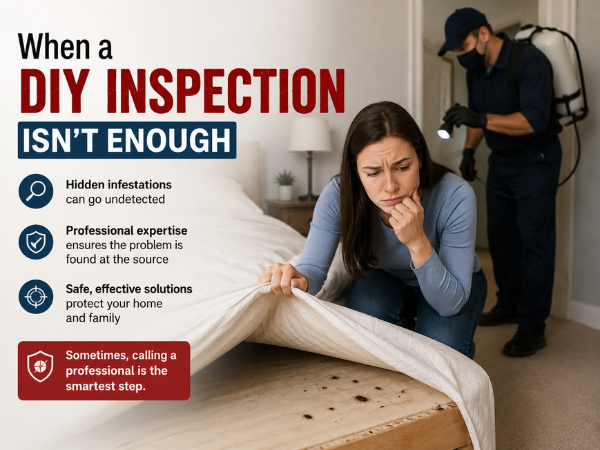
Speak with our pest specialists if your self-inspection found any evidence at all, even a small amount, early confirmation makes treatment faster and less disruptive.
Quick Checklist Summary
- [ ] Stripped bedsheets and checked seams and folds
- [ ] Ran a card along mattress seams and piping
- [ ] Checked box spring top, sides, and underside
- [ ] Inspected bed frame joints and headboard
- [ ] Checked nightstand and furniture joints near the bed
- [ ] Inspected curtains, carpet edges, and skirting boards
- [ ] Checked sofas and armchairs if used for sleeping or napping
- [ ] Inspected luggage and recently acquired furniture
- [ ] Set up interceptor traps if the inspection was inconclusive
- [ ] Documented anything found with a photo, useful for a professional assessment
Key Takeaways
- Bed bug inspection bite marks alone aren’t reliable confirmation, physical evidence (fecal spotting, shed skins, eggs, live bugs) is what actually confirms bed bugs.
- Focus your inspection on mattress seams, box spring corners, bed frame joints, and furniture near the bed, not just the mattress surface.
- Use raking light and a card to check seams properly, a quick glance often misses small evidence.
- Interceptor traps are a low-cost way to confirm activity over time if a visual inspection is inconclusive.
- If you find evidence, avoid moving furniture between rooms and skip store-bought foggers, both can spread the infestation further.
- A DIY inspection has real limits; wall voids, outlets, and neighbouring units in shared housing often need professional detection methods.
Frequently Asked Questions
1. Where do bed bugs hide during the day?
primarily in tight, dark crevices close to where people sleep: mattress seams, box spring corners, bed frame joints, and nearby furniture. They avoid light and open surfaces, which is why a surface-level glance at the mattress usually isn’t enough to confirm or rule them out.
2. How do I know for sure if I have bed bugs?
The most reliable confirmation combines physical evidence, fecal spotting, shed skins, eggs, or live bugs, found during a thorough seam-by-seam inspection, ideally supported by interceptor trap results over a week or two. Bite marks alone aren’t considered definitive confirmation.
3. What’s the first sign of bed bugs?
For most people, it’s either unexplained bite marks after sleep or small dark spots on bedsheets that weren’t there before. These early signs are usually what prompts a closer inspection of the mattress and surrounding furniture.
4. Can I get rid of bed bugs myself once I find them?
Early, very localised activity might respond to thorough cleaning and heat treatment of affected items, but established infestations are difficult to fully eliminate with DIY methods alone, since bed bugs hide in areas that are hard to treat without professional-grade equipment. Store-bought foggers in particular can make the problem worse by scattering bed bugs into new hiding spots.
Request a free consultation or schedule a bed bug inspection today with Pest Free Management if your self-check found any evidence, or if you’re still unsure after a thorough look.
Learn More About Pest Control
-
Dengue Cluster Singapore: How to Check Your Area & Protect Your Home
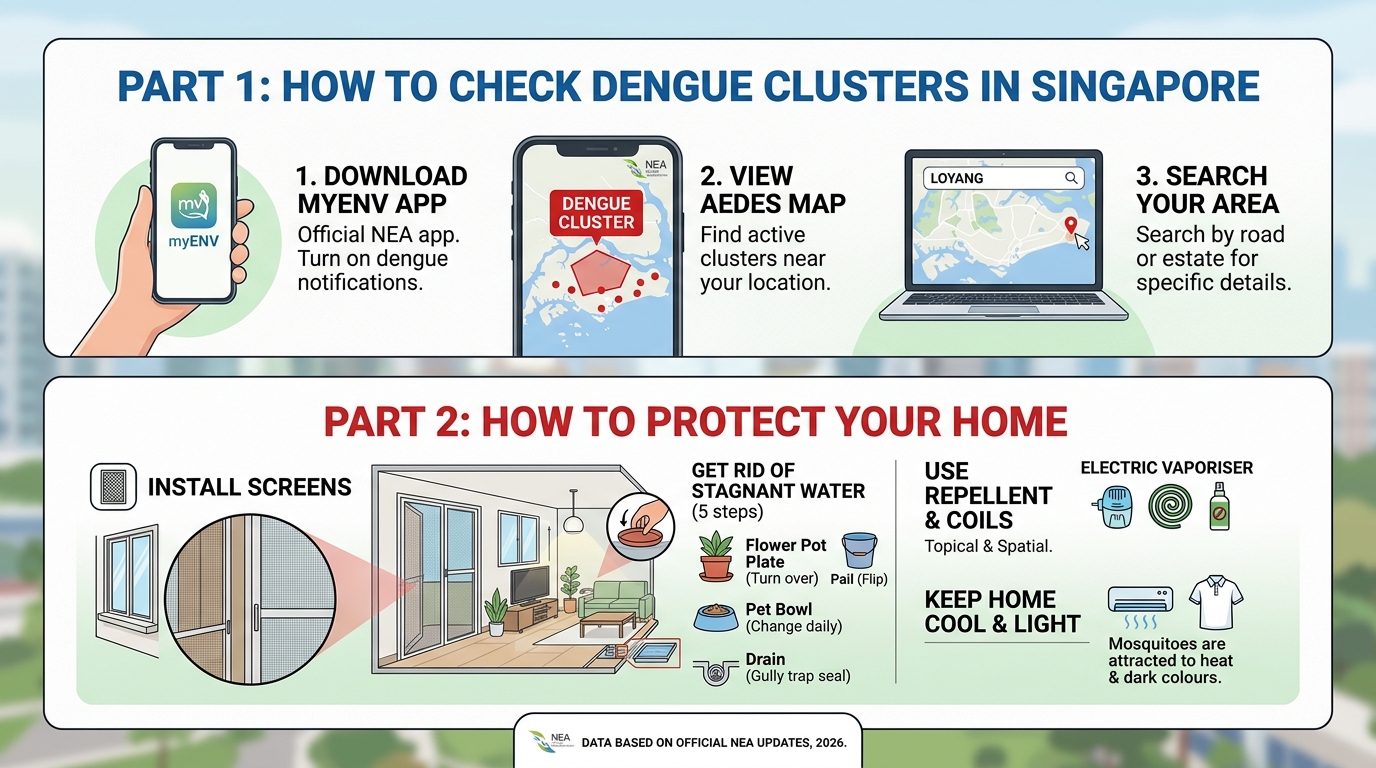
Has recorded one of its worst dengue years in recent memory. By mid-2026, weekly case counts had climbed past 100 for the first time in years, with several red-alert clusters active in the northern part of the island. If you live, work, or manage a property in Singapore, knowing how to check whether you’re in…
-
SFA Pest Control Requirements for F&B Outlets in Singapore: Complete Compliance Guide

Ask most F&B operators what SFA requires for pest control, and you’ll get a vague answer along the lines of “you need a pest control company.” That’s not wrong, but it undersells how central pest management actually is to staying licensed, keeping a good hygiene grade, and passing an SFA inspection that could show up…
-
How to Check for Bed Bugs: A Room-by-Room Inspection Checklist
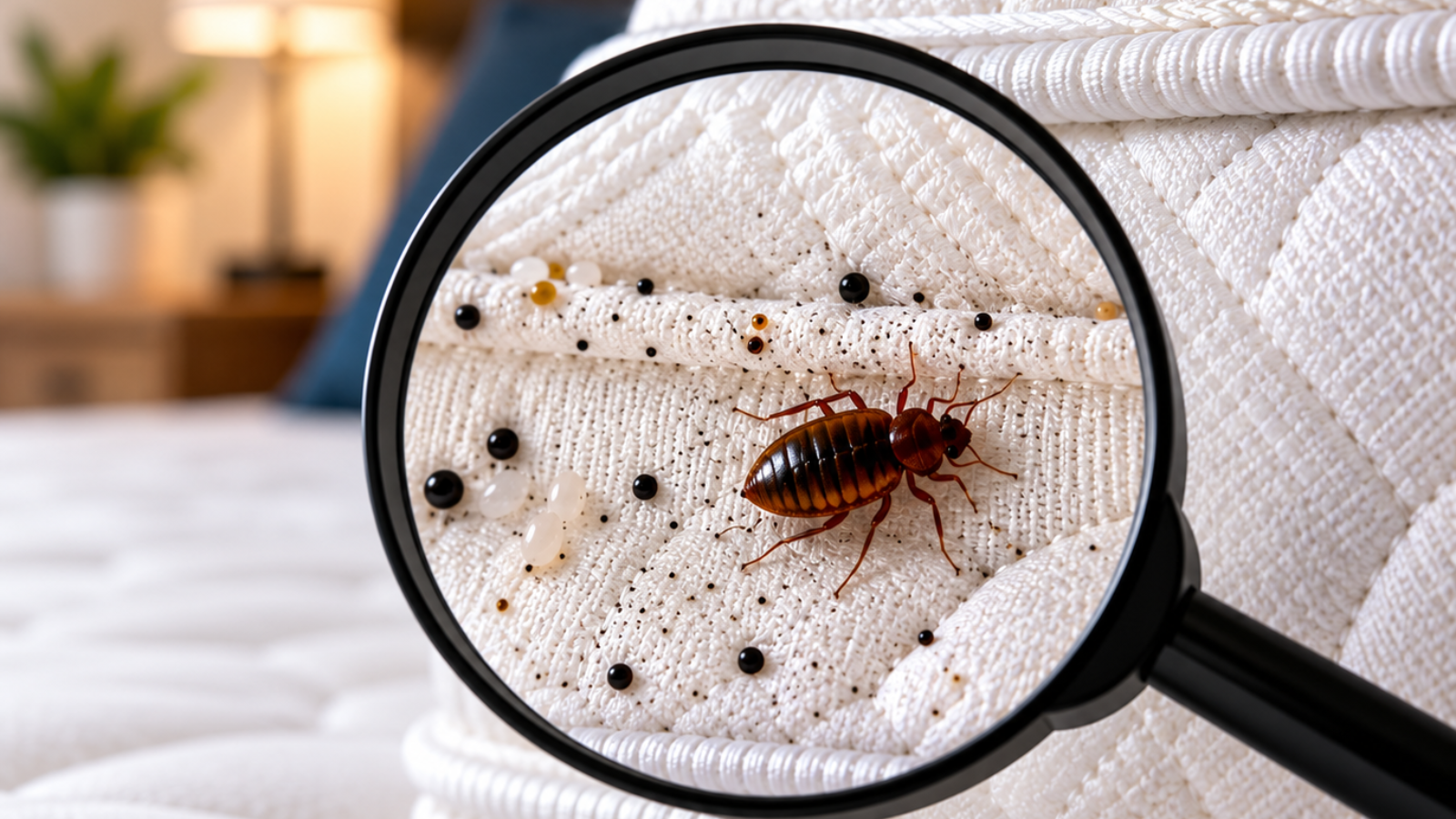
If you suspect bed bugs, staring at a bite mark won’t tell you much. The real evidence is hiding elsewhere, tucked into mattress seams, wedged behind headboards, folded into the piping of a sofa cushion. Knowing exactly where and how to look is what turns a vague suspicion into a confirmed answer. This checklist walks…