
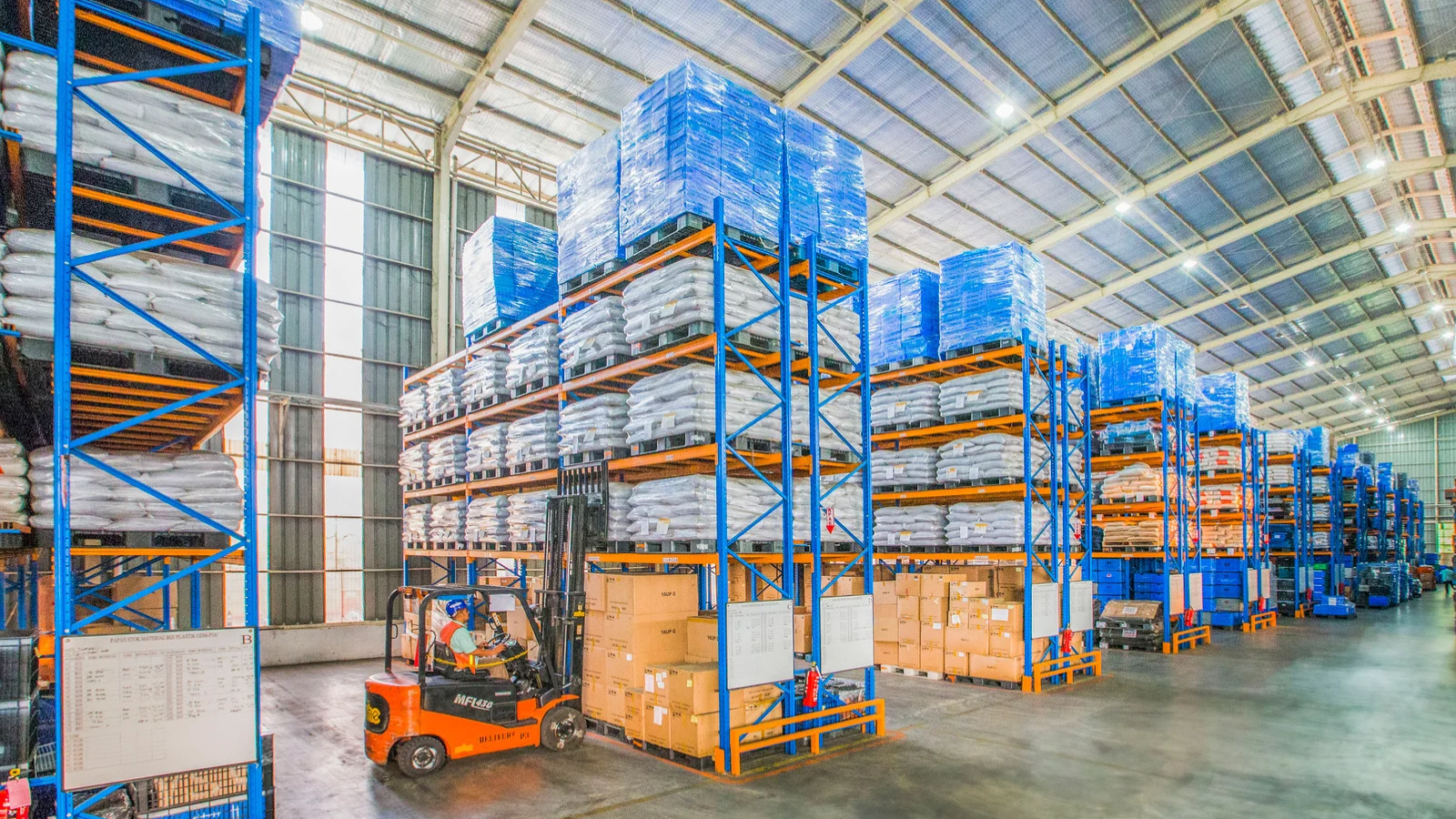
A pest problem in a retail shop is a customer complaint. A pest problem in a warehouse is a contamination event, a failed client audit, or a product recall — and the difference in stakes is exactly why warehouse and industrial pest control needs to be approached differently from a standard commercial premises. This guide covers what actually puts a Singapore warehouse or industrial facility at risk, what a genuinely protective pest management approach looks like, and what to expect from a provider who understands supply chain consequences, not just insect elimination.
How Does Industrial Pest Control Differ From Residential or Retail?
Short answer: Industrial pest control has to account for large storage volumes, constant goods movement in and out of the facility, structural features like loading docks and high rafters that residential treatment never encounters, and consequences — contamination, recalls, audit failures — that go well beyond the pest itself.
A residential treatment plan is built around a relatively static, enclosed space with a known set of occupants. A warehouse or industrial facility is the opposite: goods, pallets, and vehicles move through constantly, staff turnover means monitoring can’t rely on one person noticing a problem, and the sheer scale of the space means a small pest population in an unused corner can go unnoticed for weeks. On top of that, many facilities are handling products — food, packaging, electronics, pharmaceuticals — where even a minor pest presence has consequences for the goods themselves, not just the building. This is why an effective approach treats the facility’s operations and layout as part of the pest control plan, not just the pests that happen to be found during a visit.
What Pests Commonly Affect Warehouses in Singapore?
Short answer: Rodents, cockroaches, stored product insects (weevils, beetles, and moths that infest dry goods), and — depending on the facility’s structure — birds roosting in high rafters are the most common warehouse pest concerns in Singapore, each entering and establishing in different parts of the facility.
| Pest Type | Primary Risk | Typical Entry Point |
| Rodents | Contaminate stored goods, gnaw through packaging and wiring | Loading docks, gaps around doors, drainage points |
| Cockroaches | Contamination, allergen exposure, reputational risk during audits | Waste/compactor areas, drains, break rooms |
| Stored product insects (weevils, grain beetles, Indian meal moth) | Infest dry goods, flour, grain, and packaged food directly | Arrive already inside incoming goods or packaging |
| Ants | Contaminate open or improperly sealed products, nuisance in staff areas | Gaps in walls, floor cracks, moisture sources |
| Birds (pigeons) | Droppings contaminate stored goods and create slip/hygiene hazards | Open eaves, high rafters, loading dock openings |
Stored product insects deserve particular attention because, unlike most of the pests above, they often don’t enter the building at all — they arrive already inside incoming shipments, packaging, or raw materials, and only become visible once they’ve had time to establish and spread to other stock nearby.
Can Pests Enter Through Pallets and Incoming Goods?
Short answer: Yes — pallets, cartons, and incoming shipments are one of the most common ways pests enter a warehouse that has otherwise sealed its building envelope well, since wooden pallets, cardboard, and stored goods themselves can carry insects, eggs, or even nesting rodents from the point of origin.
This is a risk that’s easy to overlook because it doesn’t involve any failure in the facility’s own pest management — the problem arrives already inside the shipment. Untreated wooden pallets can harbour termites or wood-boring insects picked up during storage or transport. Cardboard cartons stored in humid conditions attract stored product insects and provide ideal breeding material. And any prolonged storage of incoming goods before inspection gives whatever’s already present time to spread to unaffected stock nearby. A receiving and inspection protocol — checking incoming pallets and cartons for signs of activity before they’re moved into general storage — closes this gap in a way that pest control focused only on the building itself never can.
The Real Cost of an Infestation Beyond the Pest Itself
For a facility handling other businesses’ goods, or supplying into a regulated supply chain, an infestation’s cost rarely stops at the value of damaged stock. The consequences that actually drive decision-making at the facilities-management level include:
- Contamination and write-offs. Affected stock often needs to be discarded entirely, not just the visibly damaged portion, once contamination is confirmed.
- Client audits and contract risk. Many B2B and retail clients conduct their own facility audits before renewing a storage or logistics contract, and a pest finding can jeopardise that relationship regardless of how quickly it’s resolved.
- Regulatory exposure. Facilities storing food products fall under SFA requirements, where pest evidence during an inspection can trigger compliance action.
- Reputational damage. In an industry that runs heavily on referrals and long-term contracts, a pest incident that becomes known among clients is harder to recover from than the incident itself.
- Operational downtime. Severe infestations sometimes require sections of a facility to be cleared and treated, directly affecting throughput.
This is really the core argument for treating warehouse pest control as a supply chain risk-management function rather than a routine maintenance line item — the exposure sits well above the cost of the pest control contract itself.
A Practical, Structured Approach to Warehouse Pest Management
Rather than reactive spraying when something’s spotted, an effective warehouse pest management plan is built around a few structured components working together:
| Component | What It Involves | Why It Matters |
| Site-specific inspection | Mapping the facility’s actual risk zones — loading docks, waste areas, storage racking, rafters | A generic treatment plan misses facility-specific entry points and hotspots |
| Monitoring stations | Discreetly placed traps and monitors tracking activity over time, not just point-in-time treatment | Detects a developing problem before it becomes visible stock damage |
| Structural and sanitation recommendations | Sealing gaps, adjusting waste storage, addressing moisture sources | Removes the conditions that let pests establish in the first place |
| Scheduled treatment and documentation | Regular visits with logged findings, suited to audit requirements | Supports compliance reporting and demonstrates due diligence to clients |
| Receiving protocol input | Guidance on inspecting incoming pallets/goods before general storage | Closes the gap that in-building treatment alone can’t address |
This kind of structured, ongoing approach is often referred to in the industry as integrated pest management — treating prevention, monitoring, and targeted treatment as one connected system rather than isolated call-outs whenever something’s noticed. For a facility of any real size, that connected approach tends to catch problems earlier and more cheaply than reacting after stock has already been affected.
Why Is Pest Control Important for Warehouses Specifically?
Short answer: Because the scale of stored goods, the constant movement of incoming shipments, and the downstream consequences for clients and compliance all mean a pest problem in a warehouse has a much larger financial and reputational impact than the same problem in a typical office or retail space.
A single mouse in an office is an inconvenience. A rodent population in a warehouse storing food products or packaged goods is a potential recall, a failed audit, and a client relationship at risk — the pest itself is identical, but the consequences scale with the volume and value of what’s being stored and moved.
Singapore’s Logistics Hub Status Raises the Stakes
Singapore’s position as a major regional logistics and transshipment hub means many local warehouses handle goods arriving from multiple countries, often on tight turnaround schedules between receiving, storage, and onward distribution. That international goods flow is precisely the scenario where pallet-borne and stored product pest risks are highest — a facility might be doing everything right internally and still face reintroduction risk from an incoming container that picked up activity somewhere earlier in the supply chain. Facilities near Jurong, Tuas, and the port and airport logistics zones in particular tend to see higher goods turnover, which cuts both ways: more opportunities for pests to enter, but also more reason to have a genuinely proactive monitoring system rather than one that only reacts once stock is already affected.
Signs Your Facility Has a Developing Pest Problem
- Droppings or gnaw marks near pallet storage, loading docks, or waste areas
- Small holes or webbing in packaging for dry goods, flour, grain, or similar products
- Unusual insect activity concentrated around a specific storage zone rather than spread evenly
- Bird droppings or nesting material in high rafters or open eaves
- Staff reports of activity in break rooms or pantry areas, which often signal a wider facility issue rather than an isolated one
How Often Should Warehouses Get Pest Control?
Short answer: Most industrial and warehouse facilities benefit from a scheduled monthly or bi-monthly visit rather than a one-off or purely reactive arrangement, with frequency adjusted based on the facility’s goods type, size, and audit requirements.
A facility storing food products, or one supplying clients with their own compliance audits, generally needs more frequent monitoring than a facility storing non-perishable industrial goods. The right cadence isn’t a fixed number — it should come out of the initial site assessment, based on what’s actually being stored, how goods move through the facility, and what documentation your clients or regulators require to see.
Choosing a Pest Control Provider for Your Facility
Not every residential-focused pest control company is set up to handle warehouse-scale facilities well. When evaluating a provider for an industrial site, it’s worth confirming:
- They conduct a genuine site-specific assessment rather than applying a standard package regardless of facility layout
- They can provide documented reports suited to your own client or regulatory audit requirements
- They understand the difference between treating visible pest activity and addressing structural/sanitation root causes
- They’re NEA-certified and use NEA-approved products, which matters both for safety and for demonstrating compliance during your own audits
- They can advise on receiving protocols for incoming goods, not just in-building treatment
Our commercial and industrial pest control services are built around exactly this kind of site-specific, documentation-ready approach. For facilities specifically handling food products or falling under SFA requirements, our food processing pest control services address the additional compliance layer that applies on top of general warehouse pest management.
Managing pest risk across a warehouse, distribution centre, or industrial facility? Pest Free provides NEA-certified, site-specific pest management built around your facility’s actual layout and audit requirements, not a generic package. Book an inspection to get a plan suited to what you’re actually storing and moving.
Frequently Asked Questions About Warehouse & Industrial Pest Control
For questions beyond warehouse-specific concerns, our full pest control FAQ covers the rest of the site’s most common pest queries.
Explore Our Latest Guides

Book an inspection to get a plan suited to what you’re actually storing and moving.