
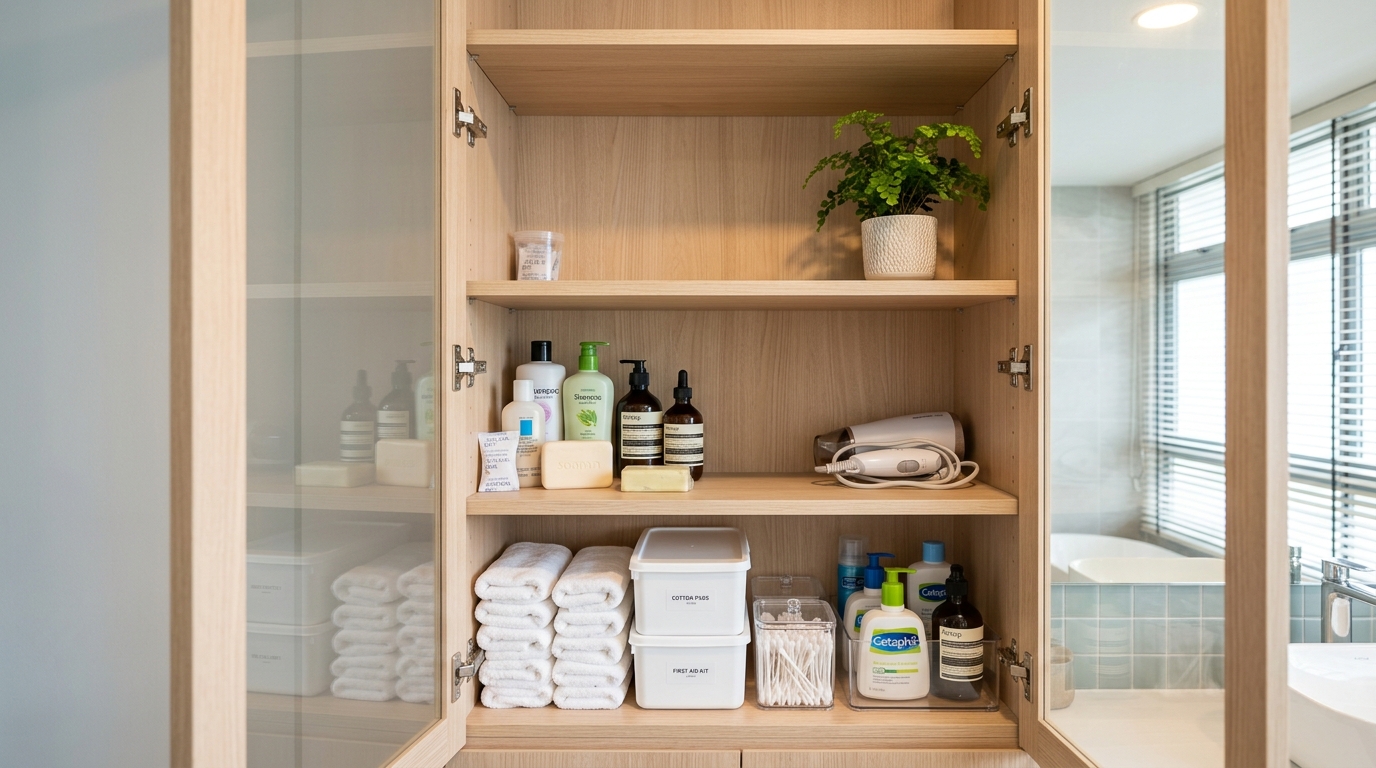
Silverfish don’t announce themselves the way cockroaches or ants do. Most people first notice one darting across a bathroom floor at night, or find a small, ragged hole in an old book or a stack of stored documents, and have no idea what caused it. Unlike most pests that show up because of food left out, silverfish show up because of something more structural: humidity and cellulose-rich material sitting undisturbed for a long time — which describes a lot of Singapore homes more than most people realise.
This guide covers what silverfish actually are, why they’ve turned up in your home specifically, whether they’re worth worrying about, and what genuinely gets rid of them versus what just moves them to another room.
What is a Silverfish?
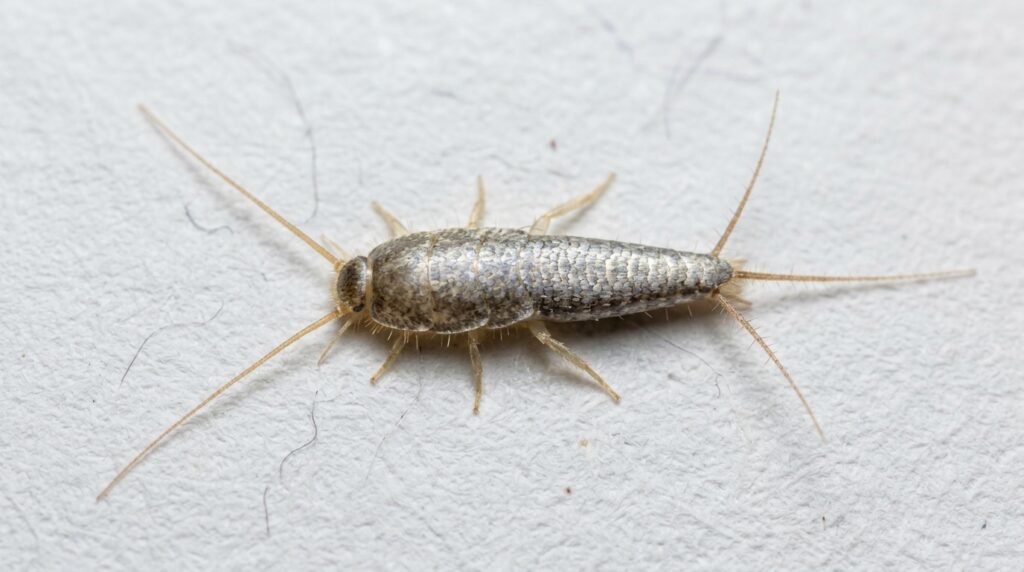
A silverfish is a small, wingless insect — usually 12 to 19mm long — with a distinctive silvery-grey, teardrop-shaped body and three long, thin appendages trailing from its rear. They move in a quick, fish-like wriggle (which is where the name comes from), are nocturnal, and avoid light aggressively — if you’ve switched on a bathroom light and seen one dart under the cabinet in under a second, that’s textbook silverfish behaviour.
They’re one of the oldest surviving insect groups on the planet, and one unusual trait matters for pest control specifically: silverfish continue moulting and growing throughout their entire adult life, and they can live anywhere from two to eight years. That longevity is part of why an established silverfish problem can persist quietly for a long time without anyone noticing it’s actually an infestation and not just “the odd one now and then.”
Silverfish Life Cycle: Why an Infestation Can Go Unnoticed for Months
Most household insects follow a life cycle that’s easy for pest control to interrupt — an egg stage, a larval stage, then a short adult life focused on reproducing. Silverfish don’t work that way. They hatch looking like miniature versions of the adult, and then simply keep moulting and growing for the rest of their life, which can stretch two to eight years. There’s no obvious “larval stage” to target, and no sudden population explosion the way you’d see with, say, an ant colony finding a new food source.
That slow, steady pattern is exactly why silverfish problems tend to be discovered late. A female can lay eggs in small batches over an extended period, tucked into cracks and crevices where they’re never seen, and the population builds gradually rather than visibly. By the time someone notices consistent damage to a bookshelf or repeated sightings in a bathroom, the infestation has usually been established for a while — which is also why a “one and done” spray rarely resolves it. There isn’t a single generation to interrupt; there’s an ongoing population at various life stages, most of it out of sight.
Why Do I Have Silverfish in My House?
Short answer: Silverfish are drawn to warm, humid, dark environments and a diet of starch and cellulose — think damp bathrooms, stored cardboard, book bindings, and wallpaper paste — all of which are common in Singapore’s climate and typical home storage habits.
Singapore’s year-round humidity is close to ideal for silverfish, which thrive in relative humidity above 75%. Bathrooms without proper extraction, laundry areas, store rooms, and even bookshelves along an external wall that sweats slightly in the rainy season all create the moisture silverfish need to survive and reproduce. On top of that, they don’t need much of a food source — the starch in book glue, wallpaper paste, cardboard, cereal boxes, and even some synthetic fabrics is enough to sustain a population for a long time.
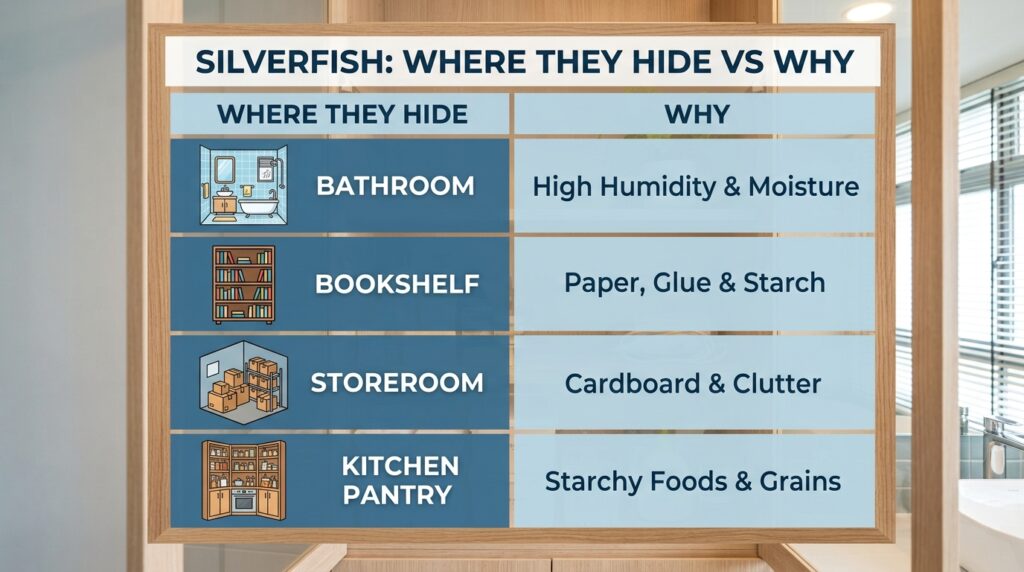
Where Silverfish Hide in Singapore Homes
- Bathrooms and laundry areas — the most common source of the humidity they need
- Bookshelves and storage boxes — paper, book bindings, and cardboard are direct food sources
- Kitchen pantries — cereal boxes, flour, and starchy dry goods
- Store rooms and bomb shelters (in HDB flats) — dark, undisturbed, often slightly damp
- Behind wallpaper or skirting boards — wallpaper paste is a food source, and the gap behind it is dark and sheltered
- Under sinks — plumbing condensation creates a reliably humid micro-environment
Each of these hotspots tends to have its own giveaway. A bathroom problem usually shows up as sightings at night when the light switches on. A bookshelf or storeroom problem usually shows up as damage discovered before any insect is ever seen — a notch out of a book spine, a hole in a stored document, a faint trail of scale-like residue along a shelf edge. Recognising which pattern you’re seeing helps narrow down where the humidity source actually is, rather than treating the whole home as one undifferentiated problem.
Silverfish vs Other Small Household Insects
Silverfish get confused with a handful of other small, pale or metallic-looking insects found in Singapore homes, and the mix-up matters because the causes — and the fixes — aren’t identical.
| Insect | Appearance | Typical Habitat | Key Difference |
| Silverfish | Silvery-grey, teardrop body, fast wriggling movement | Bathrooms, bookshelves, humid storage | Long antennae and three tail bristles; avoids light aggressively |
| Firebrats | Nearly identical body shape, mottled brown-grey | Near heaters, ovens, electrical equipment | Prefers warmer, drier conditions than silverfish |
| Booklice | Tiny (1–2mm), pale, soft-bodied, no bristles | Damp books, stored paper, mould-affected areas | Much smaller; often confused with silverfish nymphs but feeds on mould, not paper directly |
| Carpet beetle larvae | Fuzzy, bristled, brownish, slow-moving | Carpets, wool fabrics, stored clothing | Damages fabric and carpet fibres rather than paper; doesn’t move quickly like silverfish |
If what you’re finding is genuinely slow-moving and fuzzy rather than fast and smooth-bodied, it’s worth double-checking before assuming it’s a silverfish problem specifically — the moisture-control fix is similar across all four, but the professional treatment approach differs.
Are Silverfish Harmful?
Short answer: Silverfish don’t bite, sting, or spread disease, and most people never have any physical reaction to them — but they can trigger mild allergic symptoms in sensitive individuals (similar to dust mites) and cause real, sometimes irreversible damage to books, documents, photographs, and wallpaper.
This is worth being direct about, because a lot of pest content overstates the danger of pests that are mostly a nuisance. Silverfish are genuinely low-risk to your health. The two things worth taking seriously are:
- Property damage. Silverfish feed on the surface of paper and glue bindings, which can permanently damage books, family photographs, important documents, and wallpaper — often before anyone notices what’s causing it.
- Allergen sensitivity. Their shed skin and droppings can act as a minor allergen for people sensitive to it, in much the same way dust mite waste does, which can matter if someone in the household has asthma or allergic rhinitis.
The Real Cost of Ignoring a Silverfish Problem
Because silverfish don’t bite or spread disease, it’s tempting to treat them as a low priority — and for many households, they genuinely are low urgency. But the damage they cause is often irreversible in a way that pest damage from, say, ants or mosquitoes isn’t. A silverfish population left undisturbed in a storeroom for a year or two can work through irreplaceable items before anyone notices: family photographs, certificates, old documents, first-edition books, or heirloom wallpaper. Unlike a chewed food box, there’s no reordering a water-damaged photograph or a certificate with a corner eaten away.
This is really the strongest argument for dealing with a silverfish problem sooner rather than later — not because they pose a health risk, but because the compounding damage to paper-based belongings only becomes obvious once it’s already happened.
Signs of a Silverfish Infestation
- Small, irregular holes or notches in paper, book spines, or cardboard
- Yellowish stains or a fine, pepper-like residue near paper or fabric (droppings)
- Tiny, silvery scales left behind from shedding — often mistaken for dust or lint
- Actually seeing one dart away when a light is switched on in a bathroom, kitchen, or store room at night
- A faint, papery smell in enclosed storage spaces with heavy paper or cardboard content
If you’re seeing several of these at once — especially damage plus shed scales in the same area — that’s a genuine infestation, not a one-off visitor that wandered in.
How to Get Rid of Silverfish
Short answer: Reducing humidity and removing their food sources (cardboard, damp paper, cluttered storage) solves the underlying cause, while sticky traps and targeted treatment deal with the population that’s already there — DIY steps help most when the humidity problem is genuinely fixed, not just masked.
| Method | How It Helps | Limitation |
| Dehumidifier / better ventilation | Removes the humidity silverfish need to survive and breed | Doesn’t remove an existing population on its own |
| Fix leaks and condensation sources | Eliminates the specific micro-environments (under sinks, behind tiles) they favour | Requires identifying the source, not just symptoms |
| Switch cardboard storage to sealed plastic bins | Removes a primary food source and hiding spot | Doesn’t address humidity if that’s the root cause |
| Sticky traps | Useful for monitoring activity and confirming an infestation’s extent | Catches individuals, doesn’t eliminate a population living in wall voids |
| Diatomaceous earth (commonly cited DIY option) | Can help in cracks and voids as a drying agent | Effectiveness varies with application and humidity; not a substitute for addressing the root moisture problem |
| Decluttering stored paper/boxes | Removes both food source and shelter | Ongoing habit, not a one-time fix |
The pattern across all of these: silverfish are a symptom of an environment that suits them, more than a pest that simply “shows up.” Treating the visible insects without addressing the humidity or clutter tends to bring them straight back.
When DIY Isn’t Enough
DIY moisture control and decluttering genuinely work for early-stage or low-level silverfish activity. Professional treatment becomes worth considering when:
- Silverfish are appearing in multiple rooms, not just one damp bathroom
- You’re finding consistent damage to books, documents, or wallpaper
- The humidity source isn’t obvious or easy to fix yourself (behind walls, under flooring, within HDB service ducts)
- You want a proper inspection to rule out a related moisture or mould problem, since the two often occur together
A professional treatment approach typically combines a moisture and hiding-spot assessment with targeted, NEA-approved, non-toxic crack-and-crevice treatment — safe to have done in homes with children, pets, or elderly family members — rather than a blanket spray across the whole property.
How Long Does It Take to Get Rid of Silverfish?
Short answer: There’s no fixed timeline — it depends entirely on whether the underlying humidity and food source are actually resolved, not just the treatment itself; expect ongoing monitoring for several weeks even after visible activity drops.
Because silverfish reproduce relatively slowly compared to pests like cockroaches, an infestation doesn’t spiral out of control quickly — but it also doesn’t disappear quickly if the humidity problem that caused it in the first place is still there. This is different from, say, an ant trail that a bait station can clear in days. Expect a combination of environmental fixes (dehumidifying, leak repair, decluttering) plus a monitoring period to confirm the population has genuinely declined, not just gone quiet for a week.
Preventing Silverfish From Coming Back
- Run a dehumidifier or exhaust fan in bathrooms and laundry areas, especially during Singapore’s wetter months
- Store books, documents, and photographs in sealed plastic containers rather than open shelving in humid rooms
- Fix minor leaks and condensation issues promptly instead of leaving them
- Vacuum storage areas, bookshelves, and skirting boards regularly to remove eggs and shed skins before they build up
- Seal obvious gaps around pipes, skirting boards, and wall penetrations where they can travel between rooms or units
A Note on Singapore’s Climate
Singapore’s combination of high year-round humidity, frequent heavy rainfall, and densely built HDB and condo living creates more of the conditions silverfish need than drier climates do — which is part of why they’re such a common, if under-discussed, household complaint here. Older estates with ageing plumbing, and units with poorly ventilated bathrooms or store rooms, tend to see this more often than newer, better-ventilated developments.
Finding silverfish in more than one room, or seeing real damage to books and documents? Pest Free provides NEA-approved, non-toxic pest control across Singapore homes, with an inspection-first approach that identifies the moisture source driving the infestation, not just the insects themselves. Book an inspection to get to the actual cause.
Frequently Asked Questions About Silverfish in Singapore
1. Are silverfish dangerous to humans or pets?
- Silverfish don’t bite or sting
- They don’t transmit disease
- They can cause mild allergic reactions in sensitive individuals, similar to dust mites
- They’re not toxic to pets, though it’s still best to keep any treatment products used away from curious animals
2. Why do I keep finding silverfish in my bathroom?
- Bathrooms are typically the most humid room in the home
- Poor ventilation or extraction lets moisture build up
- Silverfish need consistently high humidity to survive and reproduce
- Fixing ventilation and drying the room after use reduces their preferred environment
3. Do silverfish mean my house is dirty?
- Not necessarily — silverfish are drawn to humidity and paper/starch sources, not general uncleanliness
- Even well-kept homes can have silverfish if a bathroom or store room stays humid
- Clutter (stacked cardboard, old paper) does make it easier for them to hide and feed
- Reducing both humidity and clutter addresses the actual root causes
4. Can silverfish damage my books or important documents permanently?
- Yes — they feed on paper, glue bindings, and starch-based coatings
- Damage typically appears as small holes, notches, or surface etching
- Photographs and old documents with adhesive backing are also at risk
- Storing valuable paper items in sealed containers prevents this damage
5. How do I know if I have a silverfish infestation versus just one or two?
- Repeated sightings in the same area, especially at night
- Visible damage to paper, cardboard, or fabric nearby
- Small silvery scales or pepper-like droppings near the damage
- Sightings in more than one room suggest a more established population
6. Will a dehumidifier alone get rid of silverfish?
- A dehumidifier addresses the root cause (humidity) but won’t eliminate an existing population immediately
- It works best combined with decluttering and removing food sources
- For visible, ongoing activity across multiple areas, professional treatment speeds up the process
- Long-term humidity control is still the most effective prevention step
7. Are silverfish more common in HDB flats or landed homes?
- Silverfish can occur in any property type — the deciding factor is humidity and storage habits, not property type
- HDB store rooms and bomb shelters, often poorly ventilated, are a common hotspot
- Landed homes with basements or ground-floor storage can see similar issues
- Older buildings with ageing plumbing tend to have more moisture-related pest activity generally
8. Should I move to another room during bed bug treatment?
- Firebrats are a closely related species with a similar body shape and behaviour
- Firebrats prefer warmer, drier conditions (near heaters, ovens, or electrical equipment) than silverfish
- Both feed on similar starch and cellulose-based materials
- Treatment and prevention approaches are largely the same for both
Learn More About Pest Control

Pest Free provides professional bed bug treatment across Singapore homes and businesses, with a multi-visit approach designed around how bed bugs actually survive a single treatment. Book an inspection to get a treatment plan suited to your property