
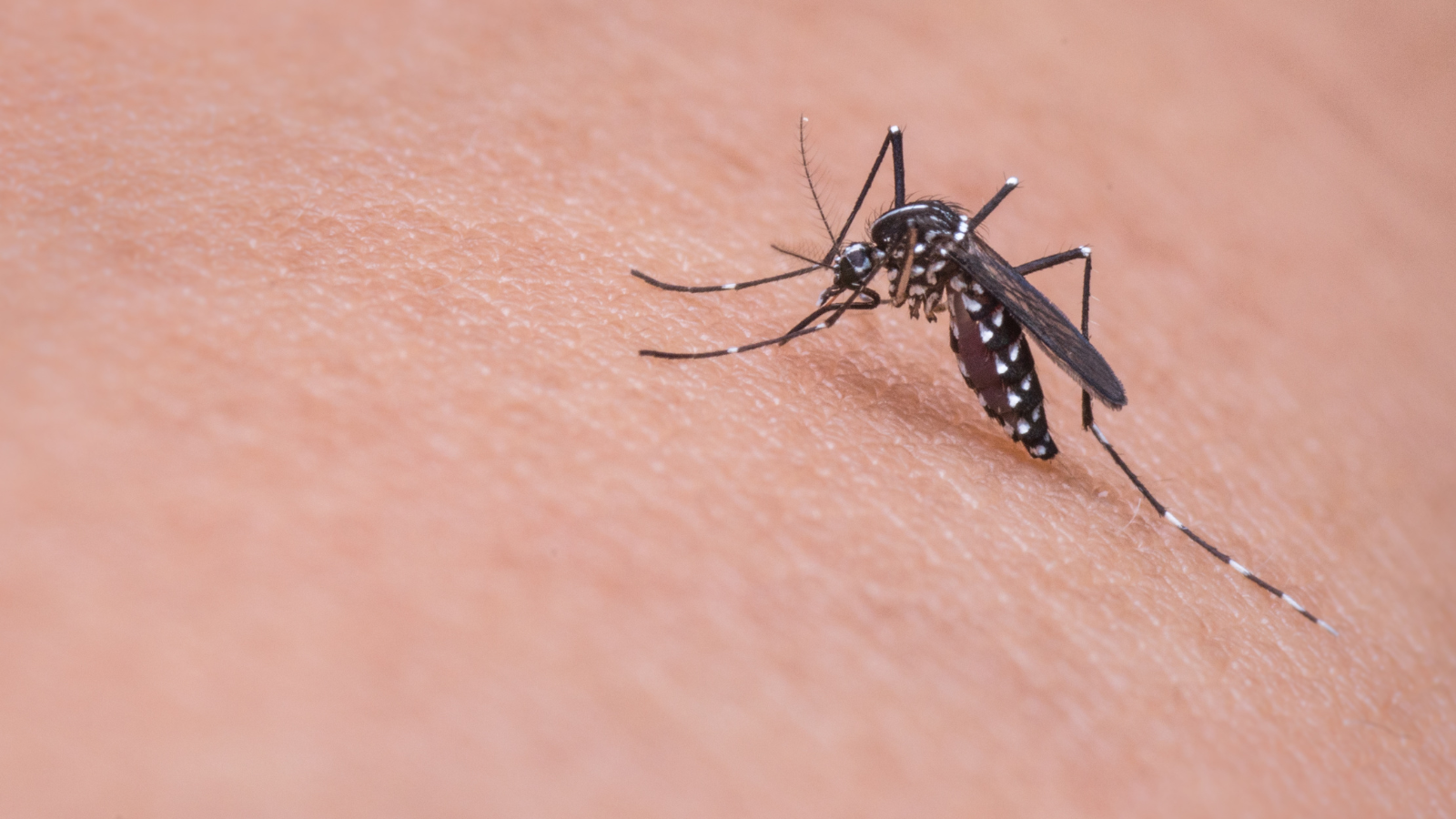
Fogging is the mosquito control method most people picture first, that distinctive white smoke drifting through void decks and gardens. It’s also one of the most misunderstood. Fogging kills adult mosquitoes on contact, but it does nothing to the eggs and larvae already sitting in a forgotten flowerpot tray or blocked gutter, which means a single fogging session without addressing breeding sites is often a short-term fix rather than a real solution.
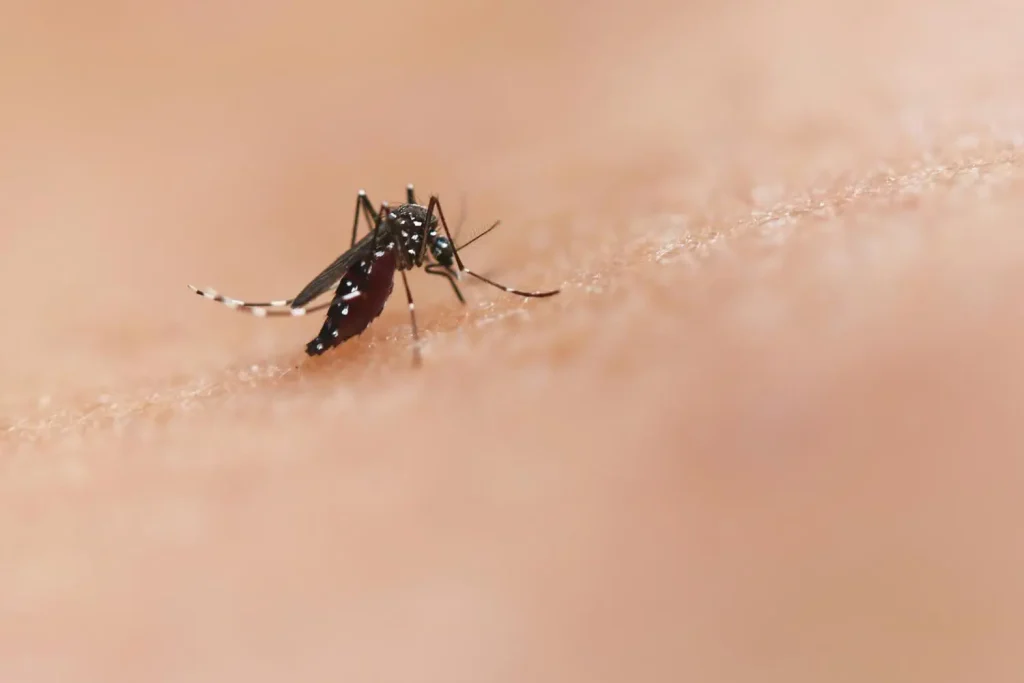
This guide breaks down the mosquito control methods actually used in Singapore, what each one does and doesn’t achieve, how they fit together in a proper treatment programme, and why breeding site elimination matters just as much as any spray or fog.
Table of Contents
What Is the Most Effective Mosquito Control Method in Singapore?
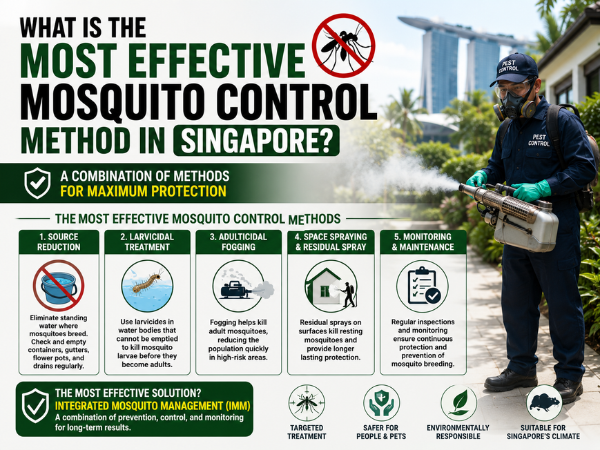
There isn’t a single method that works on its own, and any provider suggesting fogging alone will solve a mosquito problem is oversimplifying. Effective mosquito control combines at least two things: eliminating adult mosquitoes through fogging or misting, and eliminating breeding sites through larviciding and source reduction. Skip the second part, and new mosquitoes simply replace the ones killed within days.
This is why NEA’s own public health messaging in Singapore has consistently emphasised breeding site elimination as the foundation of mosquito control, with fogging treated as a supporting measure during outbreaks or high-risk periods rather than a standalone solution.
Does Fogging Really Kill Mosquitoes?
Yes, fogging is genuinely effective at what it’s designed to do: killing adult mosquitoes present in the treated area at the time of application. Thermal and ULV (ultra-low volume) fogging disperse a fine insecticide mist that kills mosquitoes on contact, which is why it’s commonly used to knock down adult populations quickly, particularly during a dengue cluster or ahead of an outdoor event.
What fogging doesn’t do is address eggs, larvae, or pupae already present in stagnant water. Mosquito eggs can survive in dry conditions for months, and larvae can develop into new adults within about a week under Singapore’s warm climate. This is precisely why fogging without breeding site elimination tends to see mosquito activity return within days, it’s not that the fogging failed, but that new mosquitoes have simply replaced the ones treated.
Speak with our pest specialists about a mosquito control plan that combines fogging, larviciding, and breeding site advice tailored to your property.
Why Mosquito Control Matters in Singapore
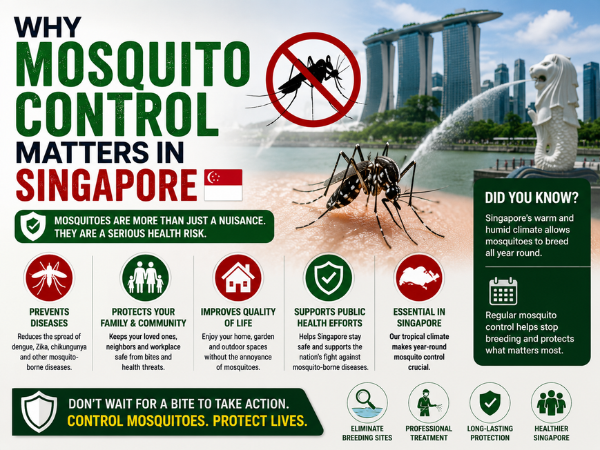
Singapore’s warm, humid climate provides ideal breeding conditions for mosquitoes year-round, without the seasonal die-off that limits mosquito populations in cooler countries. This is compounded by dense urban housing, where flower pot trays, roof gutters, gully traps, and even a forgotten pail can become breeding grounds within days of collecting rainwater.
The stakes go well beyond itchy bites. Mosquitoes in Singapore are a recognised disease vector, most notably for dengue fever, and the country has experienced record-breaking dengue outbreaks in past years. For vulnerable groups, including young children, the elderly, and pregnant women, mosquito-borne illness carries a meaningfully higher health risk, which is part of why mosquito control here is treated as a public health priority, not just a comfort issue.
Aedes Aegypti: The Mosquito Behind Singapore’s Dengue Risk
Most dengue transmission in Singapore is linked to the Aedes aegypti mosquito, a species that breeds specifically in clean, stagnant water rather than drains or dirty water sources. This is an important distinction: Aedes aegypti favours flower pot trays, water containers, discarded tyres, and other small pockets of clean standing water, often found right around homes and gardens rather than in obviously dirty areas.
Unlike many other mosquito species, Aedes aegypti tends to bite during the day, particularly in the early morning and late afternoon, rather than exclusively at dusk. It also has a relatively limited flight range, generally staying within a couple hundred metres of its breeding site, which is why eliminating breeding sources on your own property has a direct, meaningful impact on the mosquito activity you personally experience.
NEA-Approved Mosquito Control Methods Explained
Different methods target different stages of the mosquito life cycle, which is why a proper programme typically combines more than one approach.
| Method | Targets | How It Works | Best Suited For |
| Thermal fogging | Adult mosquitoes | Oil-based chemical mist creates a thick fog that kills adult mosquitoes on contact in open outdoor areas | Outdoor spaces, gardens, immediate knockdown during high activity |
| ULV (cold) fogging | Adult mosquitoes | Water-based fine mist, similar effect to thermal fogging but with no oily residue | Indoor and outdoor areas, safe for use during business or occupied hours |
| Larviciding (BTI) | Larvae | A naturally occurring bacteria applied to stagnant water sources, kills larvae before they mature into adults without harming humans, pets, or aquatic life | Drains, gutters, ponds, and other water sources that can’t be fully removed |
| Mosquito traps | Adults, ongoing monitoring | Suction or passive traps that attract and capture mosquitoes continuously, offering long-term, low-chemical control | Ongoing monitoring in gardens, outdoor dining areas, and breeding-prone zones |
| Source reduction | Eggs, larvae, breeding sites | Physically removing or covering stagnant water sources, the foundation every other method depends on | Every property, as an ongoing habit rather than a one-off treatment |
Fogging and larviciding work best together, fogging addresses the mosquitoes active right now, while larviciding and source reduction prevent the next generation from replacing them.
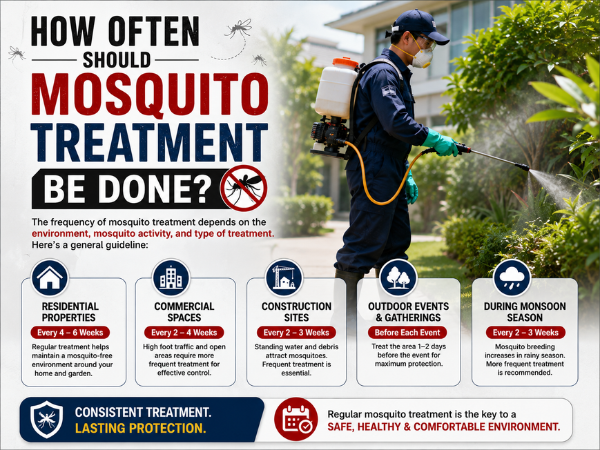
How Often Should Mosquito Treatment Be Done?
This depends on the property, the season, and whether there’s an active dengue cluster in the area. As a general guide:
- Routine residential properties often benefit from fogging or misting on a monthly or bi-monthly basis, alongside ongoing source reduction habits between visits
- Properties near an active dengue cluster may need more frequent treatment, aligned with NEA advisories for the area
- Commercial and outdoor hospitality spaces (restaurants with outdoor seating, event venues) often schedule fogging ahead of high-traffic periods or events
- Larviciding for persistent water sources that can’t be removed, like ornamental ponds or gully traps, is typically applied on a recurring schedule to maintain effectiveness, since BTI treatments break down over time
A pest control provider should be able to recommend a schedule based on an actual site assessment, factoring in nearby breeding sites, past mosquito activity, and any current dengue cluster advisories, rather than applying a generic frequency to every property.
NEA’s Wolbachia Programme: How It Fits In
Beyond individual property treatment, Singapore runs a national-level mosquito suppression initiative through NEA’s Project Wolbachia. The programme releases male Aedes aegypti mosquitoes carrying Wolbachia bacteria, which don’t bite or spread disease, into targeted areas. When these males mate with wild female Aedes aegypti, the resulting eggs don’t hatch, gradually suppressing the local mosquito population over time in areas where the programme operates.
It’s worth understanding that this is a population-level, area-wide initiative run by NEA, not something a private property or pest control company can replicate individually. Understanding it helps explain why dengue prevention in Singapore is treated as a layered effort: national suppression programmes, professional property-level treatment, and individual household habits like breeding site removal all working together, rather than any single approach carrying the full weight on its own.
Book a professional inspection to find out exactly where mosquitoes are breeding on your property, not just where they’re biting.
Common Mosquito Breeding Spots Around Your Home
Because Aedes aegypti needs only a small amount of clean, stagnant water to breed, breeding sites are often smaller and more overlooked than people expect. Check regularly for:
- Flower pot plates and saucers, empty them and wipe dry at least once a week
- Roof gutters, particularly if leaves or debris are trapping water
- Gully traps and floor drains outside the home
- Discarded containers, tyres, or any item that can collect rainwater
- Bamboo pole holders and other narrow containers on balconies
- Air conditioner trays and condensation collection points
- Ornamental ponds or water features without fish or regular water changes
A single missed breeding site, even a small one, can produce enough mosquitoes to undo the benefit of a recent fogging treatment, which is why source reduction needs to be a consistent habit rather than an occasional check.
DIY vs Professional Mosquito Control
Where DIY habits genuinely help
Source reduction is something every household can and should do consistently:
- Empty and scrub flower pot plates weekly, mosquito eggs can stick to container walls even after water is removed
- Clear roof gutters and check for trapped water regularly
- Cover or remove containers that collect rainwater
- Use household mosquito repellents and screens for personal protection between treatments
Where professional treatment adds real value
Professional mosquito control covers what household habits typically can’t reach: large outdoor areas, drains and gully traps, ongoing larviciding for water sources that can’t be removed, and coordinated treatment during periods of elevated dengue risk. This is a core part of our residential pest control services, which pair fogging and larviciding with practical breeding site advice tailored to your home. Mosquito control singapore professional providers also have access to NEA-approved chemicals and equipment, thermal and ULV foggers, BTI larvicide, and monitoring traps, calibrated for effective, targeted use rather than generic retail products.
Speak with our pest specialists about a mosquito control plan that combines fogging, larviciding, and breeding site advice tailored to your property.
Mosquito Control for Businesses and Outdoor Spaces
Mosquito activity carries added considerations for businesses with outdoor spaces, restaurants with alfresco seating, event venues, schools, and childcare centres in particular. Beyond guest comfort, Mosquito control singapore elevated mosquito activity near a business can affect its reputation, especially for hospitality venues where outdoor dining is a key part of the experience. Schools and childcare centres also carry a heightened responsibility given how vulnerable young children are to mosquito-borne illness.
A scheduled mosquito monitoring and treatment programme, timed around peak outdoor usage and any nearby dengue cluster advisories, is generally more effective for businesses than reactive fogging after complaints start coming in. Our commercial pest control services cover offices, event venues, and outdoor hospitality spaces, while our pest control for food processing facilities addresses mosquito risk specifically in outdoor prepping areas and operations involving water.
What to Expect From a Professional Treatment Programme
At Pest Free Management, our mosquito control approach is customised through a structured process rather than a single fogging visit:
- Inspection. We assess the property for both mosquito activity and potential breeding sites, indoors and outdoors.
- Source reduction advice. We identify and advise on eliminating or treating stagnant water sources that a single fogging visit wouldn’t address.
- Targeted treatment. Depending on the property, we may use thermal fogging for open outdoor areas, ULV cold fogging for occupied or indoor-adjacent spaces, and BTI larviciding for water sources that can’t be removed.
- Ongoing monitoring. Where appropriate, mosquito traps provide continuous, low-chemical monitoring and control between scheduled treatment visits.
- Tailored scheduling. Treatment frequency is adjusted based on findings, seasonal risk, and any nearby dengue cluster advisories, rather than a fixed generic schedule.
This structured approach is what sets our mosquito control solutions apart from a single one-off fogging booking.
Book a professional inspection to find out exactly where mosquitoes are breeding on your property, not just where they’re biting.
Mosquito Prevention Checklist
Use this as a quick weekly reference to reduce breeding risk between professional treatments:
- Empty and scrub flower pot plates and saucers
- Check roof gutters for trapped water and debris
- Clear gully traps and floor drains of standing water
- Remove or cover containers that can collect rainwater
- Check air conditioner trays and condensation points
- Change water in vases and ornamental ponds regularly
- Report any suspected breeding sites in common or shared areas to your management corporation or town council
Key Takeaways
- Fogging kills adult mosquitoes effectively but doesn’t address eggs or larvae, which is why it needs to be paired with larviciding and breeding site elimination for lasting results.
- Aedes aegypti, the species behind most dengue transmission in Singapore, breeds in small amounts of clean, stagnant water and has a limited flight range, making your own property’s breeding sites directly relevant to your risk.
- NEA’s Wolbachia programme operates at a population level and complements, rather than replaces, property-level treatment and household habits.
- Treatment frequency should reflect your property’s specific risk profile and any nearby dengue cluster advisories, not a fixed generic schedule.
- Businesses with outdoor spaces, especially F&B and childcare, benefit from proactive, scheduled mosquito management rather than reactive fogging.
- Weekly source reduction habits, emptying flower pot plates, clearing gutters, are one of the most effective things any household can do consistently.
Frequently Asked Questions
1. What is the most effective mosquito control method in Singapore?
No single method works alone. The most effective approach combines fogging to eliminate adult mosquitoes, larviciding to target larvae in water sources that can’t be removed, and consistent breeding site elimination. Skipping any one of these tends to see mosquito activity return quickly.
2. Does fogging really kill mosquitoes?
Yes, fogging effectively kills adult mosquitoes present at the time of treatment. However, it doesn’t affect eggs or larvae already in stagnant water, so without addressing breeding sites, new mosquitoes typically replace the treated ones within days.
3. How often should mosquito treatment be done?
It depends on the property and current risk level. Routine residential treatment is often monthly or bi-monthly, while properties near an active dengue cluster may need more frequent attention. A site assessment is the best way to determine the right schedule for your specific situation.
4. What is Project Wolbachia and does it replace pest control?
Project Wolbachia is a national NEA initiative that releases Wolbachia-carrying male mosquitoes to suppress the wild Aedes aegypti population in targeted areas over time. It operates at a population level and works alongside, rather than replaces, property-level mosquito control and household breeding site elimination.
5. Can I do mosquito control myself without professional help?
Household source reduction, emptying flower pot plates, clearing gutters, removing standing water, makes a real difference and is something every household should do consistently. Professional treatment adds value for larger outdoor areas, drains, ongoing larviciding, and coordinated response during elevated dengue risk periods.
Have a question that isn’t covered here? Check our full pest control FAQ for more answers on treatment, safety, and pricing.
Learn More About Pest Control
-
Dengue Cluster Singapore: How to Check Your Area & Protect Your Home
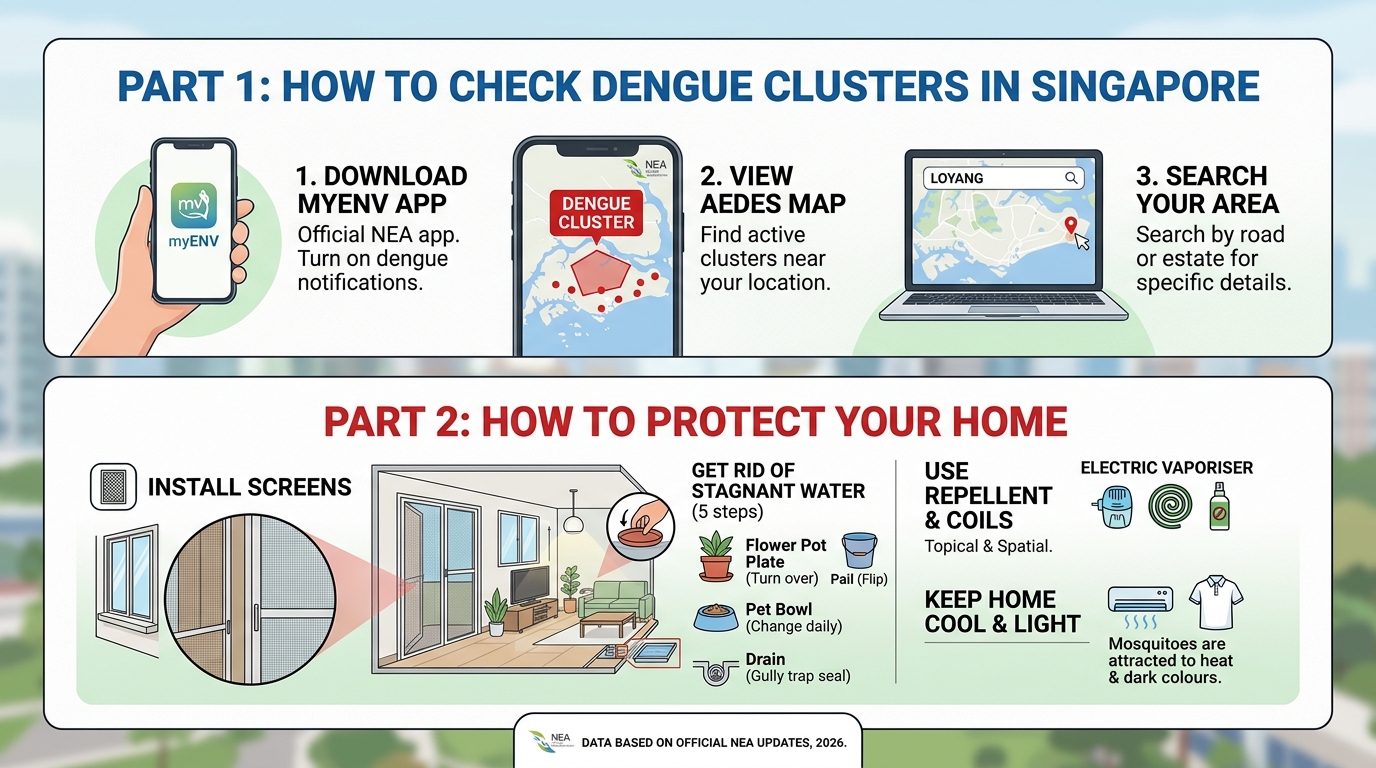
Has recorded one of its worst dengue years in recent memory. By mid-2026, weekly case counts had climbed past 100 for the first time in years, with several red-alert clusters active in the northern part of the island. If you live, work, or manage a property in Singapore, knowing how to check whether you’re in…
-
SFA Pest Control Requirements for F&B Outlets in Singapore: Complete Compliance Guide
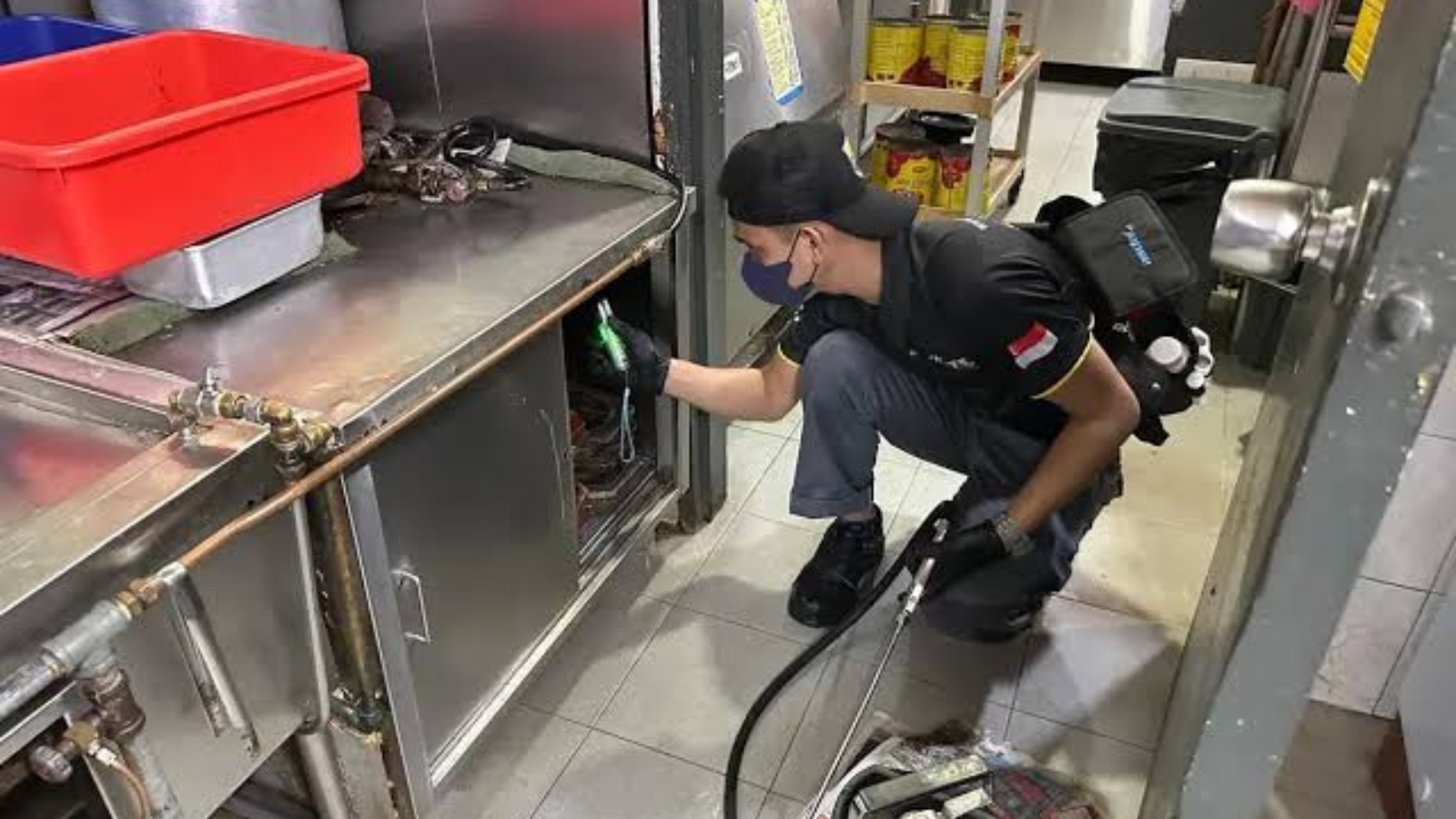
Ask most F&B operators what SFA requires for pest control, and you’ll get a vague answer along the lines of “you need a pest control company.” That’s not wrong, but it undersells how central pest management actually is to staying licensed, keeping a good hygiene grade, and passing an SFA inspection that could show up…
-
How to Check for Bed Bugs: A Room-by-Room Inspection Checklist
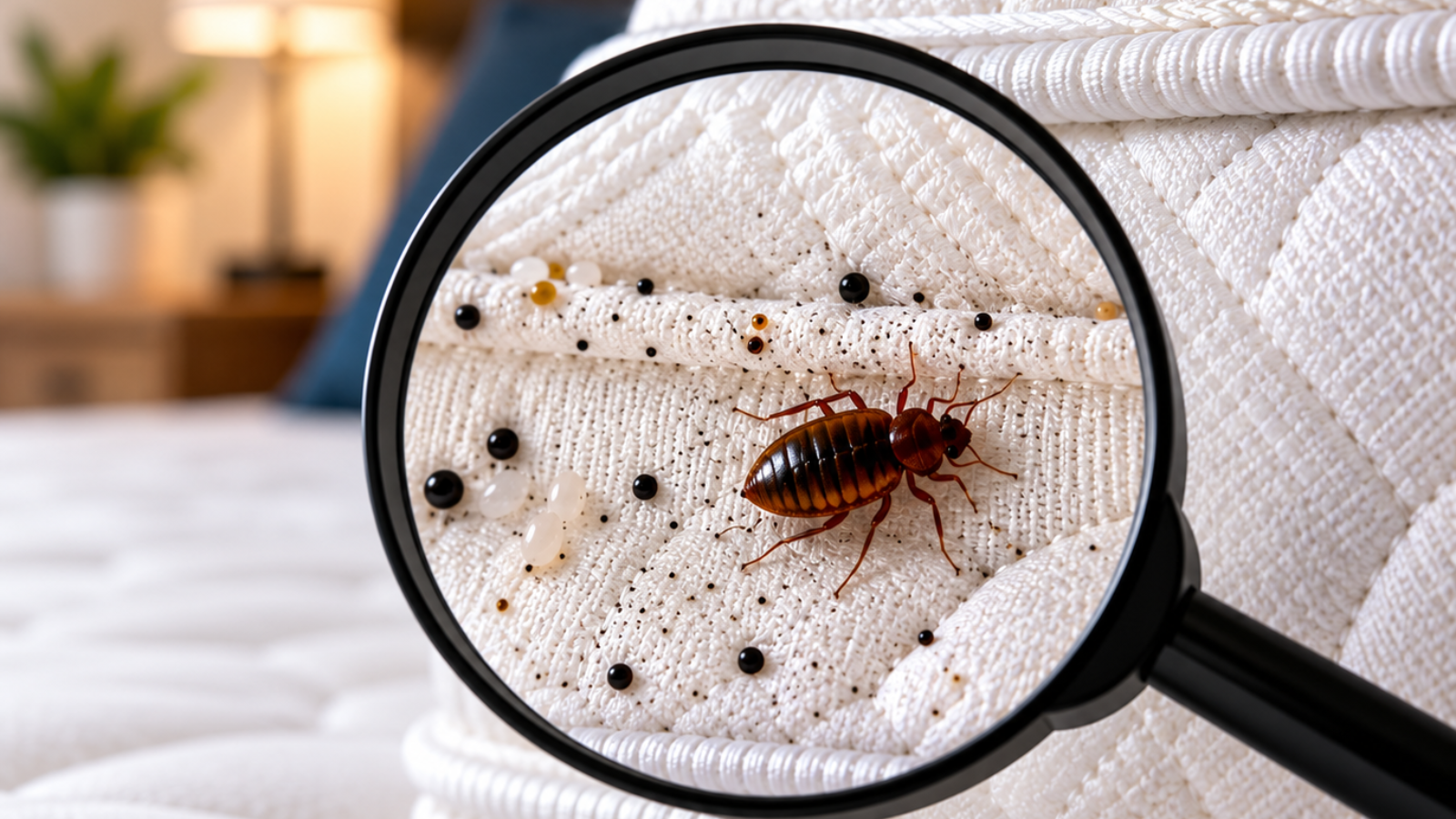
If you suspect bed bugs, staring at a bite mark won’t tell you much. The real evidence is hiding elsewhere, tucked into mattress seams, wedged behind headboards, folded into the piping of a sofa cushion. Knowing exactly where and how to look is what turns a vague suspicion into a confirmed answer. This checklist walks…