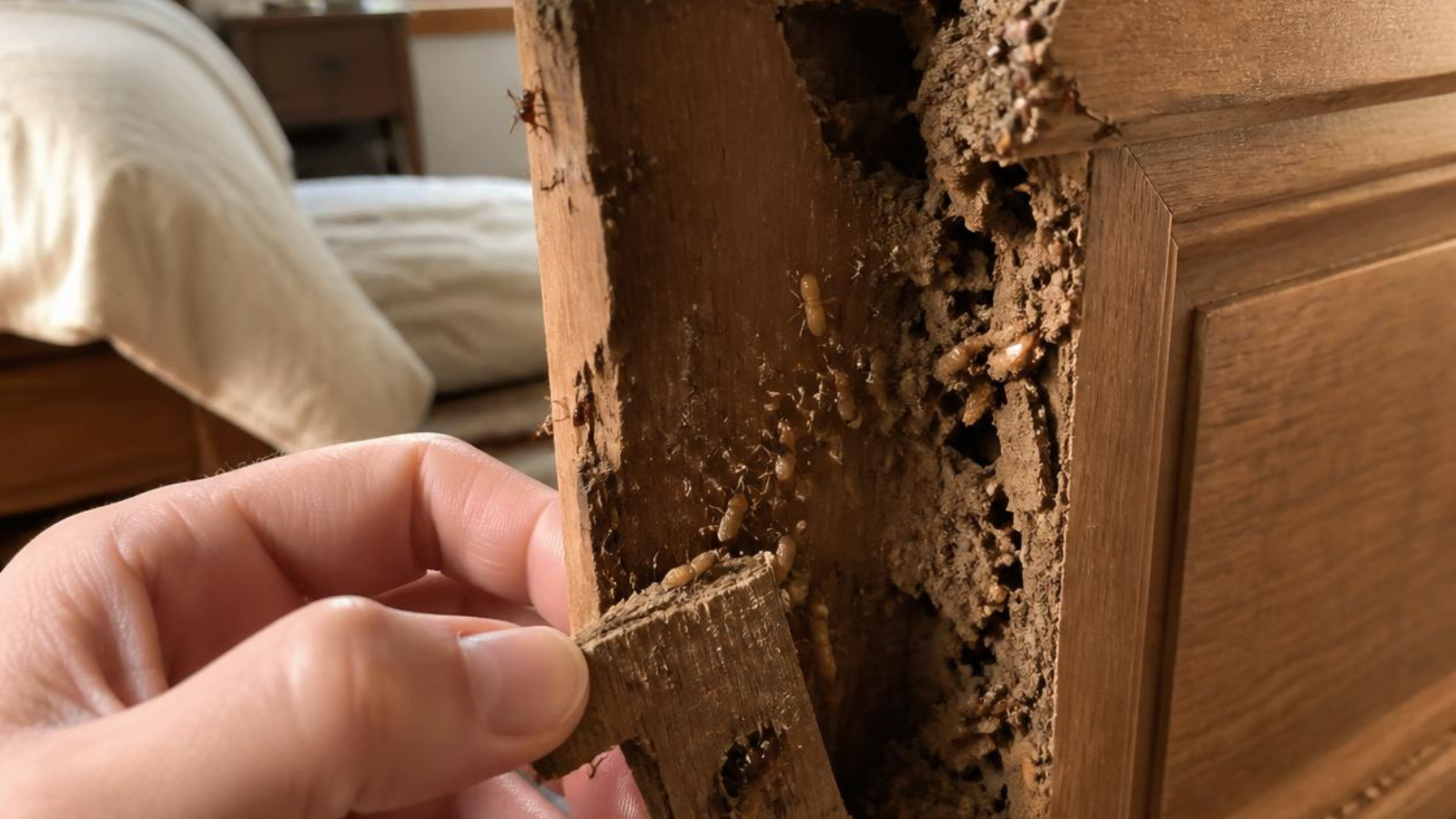
By the time most homeowners notice termites, the damage is already underway. Hollow-sounding skirting boards, doors that suddenly won’t close properly, or a scattering of discarded wings near a window are usually signs that a colony has been active for a while, not a fresh problem.
Termites are one of the few pests that can cause real structural and financial damage, not just a nuisance, which is why getting the treatment approach right matters more here than with most other pests. This guide walks through how to recognise a termite problem, the treatment methods actually used in Singapore, what genuinely affects the cost, and how to decide between monitoring the situation and calling in professional help.
Table of Contents
Signs You Might Have a Termite Problem
Termite control singapore are secretive by nature, so most infestations are discovered through indirect evidence rather than seeing the insects themselves:
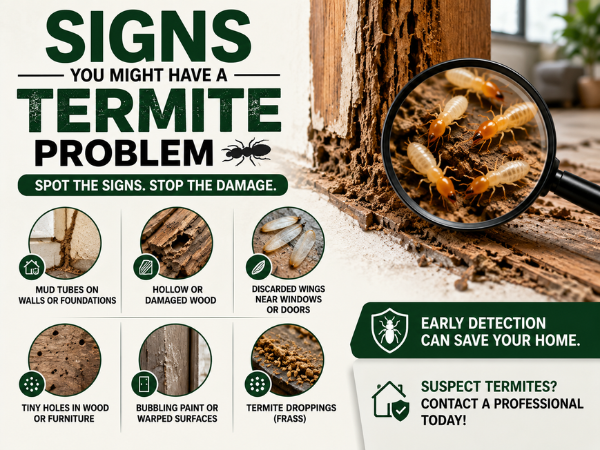
- Mud tubes. Subterranean termites build narrow, pencil-width mud tunnels along walls, foundations, and pipes to travel safely between their nest and food source.
- Hollow-sounding wood. Tap on skirting boards, door frames, or furniture. A hollow or papery sound often means termites have eaten the wood from the inside while leaving the surface intact.
- Discarded wings. Reproductive termites (swarmers) shed their wings after a swarming flight, usually when a colony is maturing and expanding. Finding small, uniform wings near windows or light fixtures is a strong indicator.
- Wood-coloured pellets. Small, ridged pellets, essentially termite droppings, near skirting or furniture usually point to drywood termite activity.
- Warped doors and window frames. Termite feeding introduces moisture into wood, which can cause frames to swell, warp, or misalign over time.
- Blistering or bubbling paint. Similar to warping, moisture from termite activity beneath painted wood or drywall can cause the surface to bubble.
Termite control singapore any one of these on its own is worth a closer look. Two or more together are a reasonable trigger to book a professional inspection rather than wait and see.
Subterranean vs Drywood Termites
Singapore homes and buildings are most commonly affected by two termite types, and the distinction matters because treatment approaches differ.
| Feature | Subterranean Termites | Drywood Termites |
| Nesting location | Underground, with mud tubes connecting to the structure | Directly inside dry wood, no soil contact needed |
| Moisture needs | High, require soil contact | Low, can survive in dry timber |
| Common signs | Mud tubes, soil-contact damage | Wood-coloured pellets, damage in furniture and dry timber |
| Colony size | Very large, can number in the hundreds of thousands | Smaller than subterranean colonies |
| Typical treatment | Soil treatment, baiting systems | Localised wood treatment, fumigation for severe cases |
Subterranean termites are the species responsible for most serious structural damage in Singapore, largely because their colonies are larger and they can access a building from below without ever being seen at ground level. Drywood termites tend to cause more contained damage, often within furniture or isolated timber elements.
“Book a professional inspection to find out exactly which termite species and treatment approach applies to your property, before the damage spreads further.”
Why Termites Are a Serious Risk in Singapore
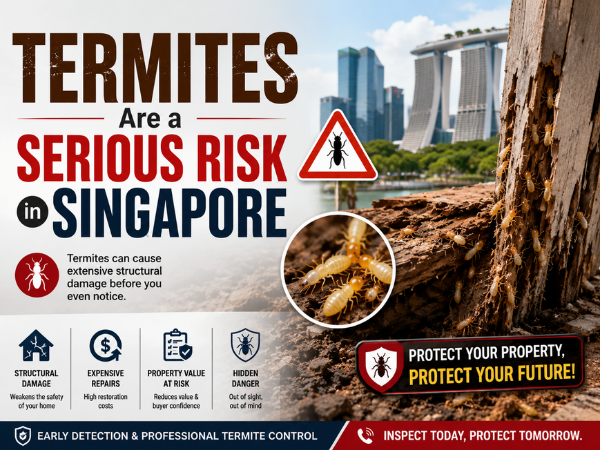
Termite control singapore’s climate plays a direct role in termite activity. Warm temperatures and consistent humidity keep termite colonies active and feeding year-round, without the seasonal slowdown that limits termite activity in cooler climates. Termite control singapore combined with widespread use of timber in doors, furniture, flooring, and structural elements, this creates ongoing conditions for termite risk across HDB flats, condominiums, and landed properties alike.
Termite control singapore landed properties tend to be at higher risk of subterranean termite activity because of direct soil contact around the foundation. Condos and HDB flats aren’t immune either, particularly where timber flooring, Termite control singapore built-in furniture, or ground-floor units are involved, and termite issues in one unit can occasionally extend into adjoining structures through shared building elements.
Termite Treatment Methods Explained
Termite control singapore there’s no single “best” termite treatment that applies to every situation. The right method depends on the termite species, the extent of the infestation, and the property type. Here’s how the main approaches compare:
| Method | How It Works | Best Suited For |
| Soil (termiticide barrier) treatment | NEA-approved termiticide is applied to the soil around the building’s foundation, creating a chemical barrier that prevents subterranean termites from entering | Landed properties, buildings with direct soil access |
| Baiting systems | Bait stations containing a slow-acting substance are placed around the property; termites feed on the bait and carry it back to the colony, gradually eliminating the whole colony rather than just visible termites | Ongoing monitoring and colony elimination, suitable for most property types |
| Wood treatment | Termiticide is applied directly to affected or at-risk timber, targeting drywood termites or localised infestations | Furniture, isolated timber elements, drywood termite activity |
| Monitoring stations | Discreet stations installed around the property to detect termite activity early and, in some systems, deliver bait once activity is confirmed | Preventive protection, especially for properties with a history of termite issues |
| Fumigation | Whole-structure or localised fumigation for severe, hard-to-reach infestations | Severe drywood termite infestations where localised treatment isn’t sufficient |
Termite control singapore in practice, many termite treatment programmes combine more than one method, for example, a soil barrier alongside ongoing bait station monitoring, since building-wide protection and colony elimination address different parts of the same problem.
What is the Best Termite Treatment for Singapore Homes?
Termite control singapore there’s genuinely no universal answer here, and any provider claiming a single method works best for every property is oversimplifying. The right choice depends on:
- Termite species. Subterranean termites generally respond best to soil treatment combined with baiting systems, while drywood termites are often better addressed with targeted wood treatment or, for severe cases, fumigation.
- Property type. Landed homes with soil contact typically need a different approach than a high-rise condo unit with isolated timber furniture.
- Extent of the infestation. A newly discovered, localised issue may only need wood treatment, while an established colony usually needs both barrier treatment and baiting to fully address it.
- Long-term goals. Baiting systems, in particular, are well suited to properties that want an ongoing monitoring and prevention system, not just a one-off treatment.
This is exactly why a proper inspection needs to come before any treatment recommendation. Any programme worth paying for should be based on what’s actually found on your property, not a default package.
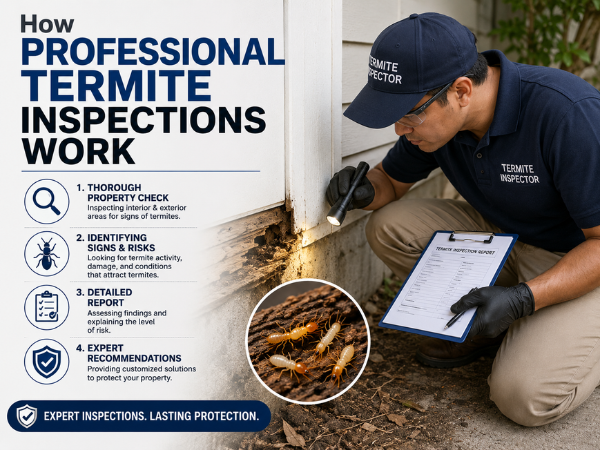
How Professional Termite Inspections Work
Termite control singapore a thorough termite inspection typically involves more than a visual walkthrough. Depending on the property, technicians may use:
- Moisture meters, to detect elevated moisture levels in timber that could indicate termite activity or damage
- Acoustic detection tools, to identify hollow sections within wood that aren’t visible from the surface
- Thermal imaging, which can help detect termite activity behind walls or within structural elements without invasive drilling (this specialised check sometimes carries a small additional fee, which should always be confirmed upfront)
- Physical checks, tapping timber, inspecting mud tubes, and examining foundation areas, door frames, and skirting boards directly
“Speak with our pest specialists for tailored termite prevention advice based on your property type, whether it’s an HDB unit, condo, or landed home.”
Termite control singapore a comprehensive inspection covers not just visibly affected areas but also higher-risk zones, foundation perimeters, timber-soil contact points, and areas with limited ventilation, since this is where subterranean termite activity typically originates before it becomes visible indoors.
Book a professional inspection to find out exactly which termite species and treatment approach applies to your property, before the damage spreads further.
What Affects Termite Treatment Cost in Singapore
Termite control singapore treatment costs vary significantly depending on several factors, and any company quoting a fixed price without inspecting your property first should be treated with some caution. The main factors that influence cost include:
- Property size and type. Larger properties, and landed homes with more soil-contact perimeter, generally require more extensive treatment than a single condo unit.
- Treatment method required. Baiting systems, soil treatment, and fumigation involve different equipment, materials, and labour, which affects pricing differently.
- Severity and extent of infestation. A localised, early-stage issue costs less to address than an established colony that has spread through multiple areas.
- Number of treatment or monitoring visits. Ongoing baiting and monitoring programmes are typically priced differently from a one-off barrier treatment.
- Accessibility. Properties with limited access to foundation areas or high-rise logistics can affect labour requirements.
Termite control singapore because of this variation, we don’t publish a flat termite treatment price, and any reputable provider should recommend a site assessment before quoting. What you should expect is a clear, itemised quote after inspection, Termite control singapore not a vague estimate, along with an explanation of why a particular method or combination of methods is being recommended for your property specifically.
How Long Does Termite Treatment Last?
Termite control singapore this depends heavily on the method used and how the property is maintained afterwards. Soil barrier treatments generally provide protection for an extended period, though effectiveness can be affected by soil disturbance from landscaping or construction work near the treated perimeter. Baiting systems are typically an ongoing programme, with ongoing monitoring, rather than a one-time treatment, precisely because they’re designed to eliminate the colony over time and continue protecting the property.
Termite control singapore it’s realistic to expect follow-up visits and periodic monitoring as part of a proper termite protection programme, rather than assuming a single treatment permanently solves the issue. Termite control singapore can and do return to previously treated properties, particularly if environmental conditions (moisture, timber-soil contact) haven’t changed, which is why ongoing monitoring matters as much as the initial treatment itself.
DIY vs Professional Termite Treatment
Where DIY has limited value
Termite control singapore retail termiticides and sprays can sometimes address very minor, highly localised drywood termite activity in furniture, but they come with real limitations. DIY products generally can’t reach the extent of a subterranean colony, which may be nesting entirely underground and out of reach.
Why termites are usually a professional job
Termite control singapore unlike cockroaches or ants, where DIY methods can meaningfully help with early-stage activity, termite colonies are typically too large, too hidden, and too consequential to risk a DIY-only approach. A colony that isn’t fully addressed will continue causing structural damage even if surface-level activity temporarily appears to stop. Given the cost of structural repairs versus professional treatment, most homeowners find that a proper inspection and treatment programme through residential pest control services is the more cost-effective choice in the long run, not just the safer one.
Termite Prevention for HDB, Condo & Landed Homes
While prevention can’t guarantee a termite-free property, a few practices meaningfully reduce risk:
- Reduce timber-to-soil contact around the property where possible, this is one of the main entry routes for subterranean termites
- Address moisture issues promptly, leaking pipes, poor drainage, and damp foundation areas all increase termite risk
- Store firewood, timber, and cardboard away from the building’s foundation
- Ventilate crawl spaces and roof voids to reduce the humidity termites rely on
- Schedule periodic termite inspections, particularly for landed properties or homes with a history of termite activity, rather than waiting for visible signs
- Be cautious with secondhand or reclaimed timber furniture, inspect it before bringing it into the home
For HDB and condo residents, it’s also worth being aware that termite issues can sometimes originate in shared structural elements or common areas, so flagging any suspected activity to your management corporation or town council early can help address the source before it spreads.
Speak with our pest specialists for tailored termite prevention advice based on your property type, whether it’s an HDB unit, condo, or landed home.
Termite Control for Commercial & Industrial Properties
Termite control singapore risk isn’t limited to residential properties. Warehouses, offices, and industrial facilities with timber structural elements, wooden pallets, or storage areas near soil contact are also vulnerable, and the financial stakes are often higher given the scale of potential structural or stock damage. Our commercial pest control services extend the same inspection-led approach to warehouses, offices, and industrial sites. A proactive, scheduled termite monitoring programme, part of our termite control solutions, is generally more cost-effective for commercial properties than reactive treatment after damage is discovered, particularly for older buildings or those with significant timber construction.
What to Expect From a Professional Treatment Programme
Termite control singapore at Pest Free Management, our termite treatment approach follows a structured process rather than a single generic treatment:
- Inspection. We assess the property using visual checks, moisture meters, acoustic tools, and thermal imaging where appropriate, to identify termite species, activity level, and entry points.
- Treatment recommendation. Based on inspection findings, we recommend the appropriate combination of methods, soil treatment, baiting systems, wood treatment, or monitoring stations.
- Treatment application. NEA-approved termiticides and baiting systems are applied according to the treatment plan, targeting both visible activity and the wider colony.
- Monitoring and follow-up. Ongoing monitoring, particularly with baiting systems, tracks colony activity over time and confirms the treatment is working, not just temporarily suppressing visible signs.
Termite control singapore every property is different, and being upfront about the fact that termite treatment is often an ongoing programme, not a single visit, is part of setting realistic expectations from the start.
Request a free consultation or schedule a termite inspection today with Pest Free Management to find out what’s really happening beneath the surface.
Choosing a Termite Control Company in Singapore
A few things worth checking before committing to a provider:
- NEA licensing, confirming the company operates within Singapore’s regulatory framework for pesticide use
- Inspection-first approach, be cautious of any company recommending a treatment method before actually inspecting the property
- Clear explanation of species and method, a reputable provider should be able to explain which termite species is present and why a specific treatment is recommended
- Transparent, itemised quotes, provided after inspection rather than a flat rate quoted sight unseen
- Follow-up and monitoring included, particularly important for baiting-based programmes that rely on ongoing colony monitoring
Key Takeaways
- Termite control singapore damage is usually discovered well after a colony has been active, mud tubes, hollow wood, and discarded wings are the clearest early indicators.
- Subterranean termites cause most serious structural damage in Singapore due to large colony sizes and underground access; drywood termites tend to cause more contained damage.
- There’s no single “best” treatment method, the right approach depends on species, property type, and infestation severity.
- Termite control singapore treatment costs vary based on property size, method, and severity, a proper quote should follow an inspection, not precede it.
- Baiting systems are typically an ongoing monitoring programme, not a one-time fix, while soil treatment provides a longer-lasting barrier that can be affected by ground disturbance.
- DIY methods have limited value against termites compared to other pests, given how hidden and large colonies typically are.
- Commercial properties face similar risks and generally benefit more from proactive monitoring than reactive treatment.
Frequently Asked Questions
1. What is the best treatment for termites in Singapore?
Termite control singapore there’s no single best method for every situation. Subterranean termites generally respond well to a combination of soil barrier treatment and baiting systems, while drywood termites are often better addressed with targeted wood treatment. The right approach depends on the species identified during inspection, the property type, and the extent of the infestation.
2. How much does termite treatment cost?
Termite control singapore cost depends on property size, treatment method, infestation severity, and the number of visits required. Because of this variation, we recommend a site assessment for an accurate, itemised quote rather than relying on a generic estimate.
3. How long does termite treatment last?
Termite control singapore it depends on the method. Soil barrier treatments generally offer longer-lasting protection, though ground disturbance can affect the barrier over time. Baiting systems are typically an ongoing monitoring programme designed to eliminate the colony gradually and continue protecting the property, rather than a one-time treatment.
4. Can I get rid of termites myself?
DIY products may help with very minor, localised drywood termite activity, but subterranean termite colonies are usually too large and too hidden underground for DIY treatment to be effective. Attempting DIY-only treatment on an established colony risks the infestation continuing to cause structural damage unnoticed.
5. Do I need a termite inspection before buying a resale flat or landed home?
It’s a reasonable precaution, particularly for landed properties or older buildings with significant timber elements. A pre-purchase termite inspection can identify existing activity or damage before it becomes your responsibility as the new owner.
Explore More Articles
- Dengue Cluster Singapore: How to Check Your Area & Protect Your Home
- SFA Pest Control Requirements for F&B Outlets in Singapore: Complete Compliance Guide
- How to Check for Bed Bugs: A Room-by-Room Inspection Checklist
- Pest Control Cost in Singapore 2026: The Complete Pricing Guide by Pest Type
- Mosquito Control Singapore: NEA-Approved Methods That Actually Work