
Ask for a commercial pest control quote and you’ll usually get a number, but rarely an explanation of how that number was reached. For business owners and facility managers evaluating providers, that’s a problem: without understanding what drives the price, it’s genuinely hard to tell whether a quote is fair, or to compare two proposals that look completely different on paper.
This guide breaks down how commercial pest control pricing actually works in Singapore, per-visit versus contract pricing, what property type does and doesn’t affect, what a proper SLA should include, and how to evaluate a quote against your business’s actual needs rather than just the bottom-line figure.
A note on the figures in this guide: commercial pricing depends on your facility’s size, risk profile, and service scope, all of which require an actual site assessment to quote accurately. What follows is a transparent explanation of every factor that shapes a commercial quote, so you can evaluate proposals with real context rather than guessing.
Table of Contents
How Much Does Commercial Pest Control Cost in Singapore?
There’s no single figure that applies across commercial properties, and any provider quoting a flat rate without understanding your facility should be treated with some caution. Commercial pest control costs meaningfully more than residential treatment in most cases, but the actual number depends on facility size, pest risk level, service frequency, and contract scope, factors covered in detail below.
What we can say clearly is that most commercial pest control in Singapore is priced as an ongoing contract rather than a single visit, given the consistency and documentation requirements most businesses need, particularly F&B outlets, healthcare facilities, and food processing plants operating under regulatory compliance obligations. This is the structure our commercial pest control services are built around.
Is Pricing Based on Square Footage or Visit Frequency?
Both, along with several other factors, which is why a quote based purely on square footage or purely on visit count rarely reflects the full picture. In practice:
- Square footage affects how long a treatment takes and how much material is needed, but a small, high-risk kitchen can cost more to service properly than a much larger, low-risk office.
- Visit frequency affects the overall contract value more directly, a monthly programme costs more annually than a quarterly one, but may also reduce risk enough to lower the chance of costly reactive treatment later.
- Risk profile often matters more than either factor alone, a compact commercial kitchen with food storage, grease traps, and high foot traffic typically needs more intensive, frequent treatment than a larger but low-risk office space.
Request a free consultation with Pest Free Management for a site assessment and an itemised commercial proposal tailored to your facility.
This is why an accurate commercial quote requires a site assessment that considers space, risk, and required frequency together, not a calculator based on square metres alone.
Per-Visit vs Annual Contract Pricing
Per-visit (ad hoc) pricing
Suited to a specific, isolated issue at a business that doesn’t otherwise need ongoing pest management, an unusual pest sighting at a low-risk office, for example. Per-visit pricing is typically higher per treatment than contract pricing, since there’s no ongoing commitment involved.
Annual or multi-visit contract pricing
The standard approach for most commercial premises, particularly F&B, food processing, healthcare, and warehousing, where ongoing risk and compliance documentation make a one-off visit impractical. Contracts typically offer a lower effective cost per visit and usually include scheduled treatments, monitoring, documentation, and priority response for urgent issues within the contract period.
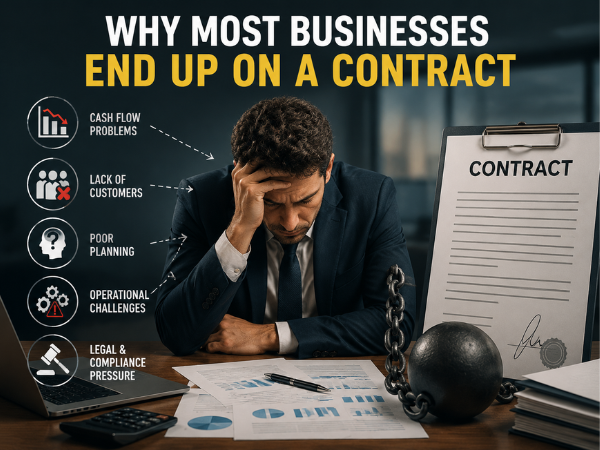
Why most businesses end up on a contract
Beyond cost efficiency, a contract provides the consistent documentation many businesses need for regulatory compliance (SFA for F&B, health authority requirements for healthcare, ISO or customer audit requirements for warehousing and logistics). For businesses in these categories, a contract isn’t just more cost-effective, it’s often close to a practical necessity.
What’s Included in a Commercial Pest Control Contract?
A properly structured commercial contract should clearly define:
- Scope of pests covered, which pest types are included, and which (if any) would incur additional charges
- Visit frequency, how often scheduled treatments and inspections occur
- Response time for urgent issues, how quickly the provider responds to an unscheduled pest sighting or complaint
- Documentation provided, service reports, pest activity logs, and any compliance-specific documentation (relevant for F&B and healthcare clients)
- Products and methods used, confirmation of NEA-approved products and methods appropriate to your facility type
- Contract duration and renewal terms, typically annual, with clear terms on renewal, cancellation, and any price adjustment triggers
- What’s excluded, structural repairs, specialised treatments (like fumigation), or emergency call-outs beyond a certain frequency are often priced separately
If any of these aren’t clearly defined in a proposal, it’s worth asking before signing rather than assuming they’re included.
Pricing Factors by Property Type
| Property Type | Typical Pricing Considerations |
| F&B / restaurant kitchens | Higher-risk category; frequent visits typically needed; often requires SFA-compliant documentation |
| Food processing / manufacturing | Highest documentation and compliance requirements; often needs HACCP-aligned reporting and more frequent scheduled visits |
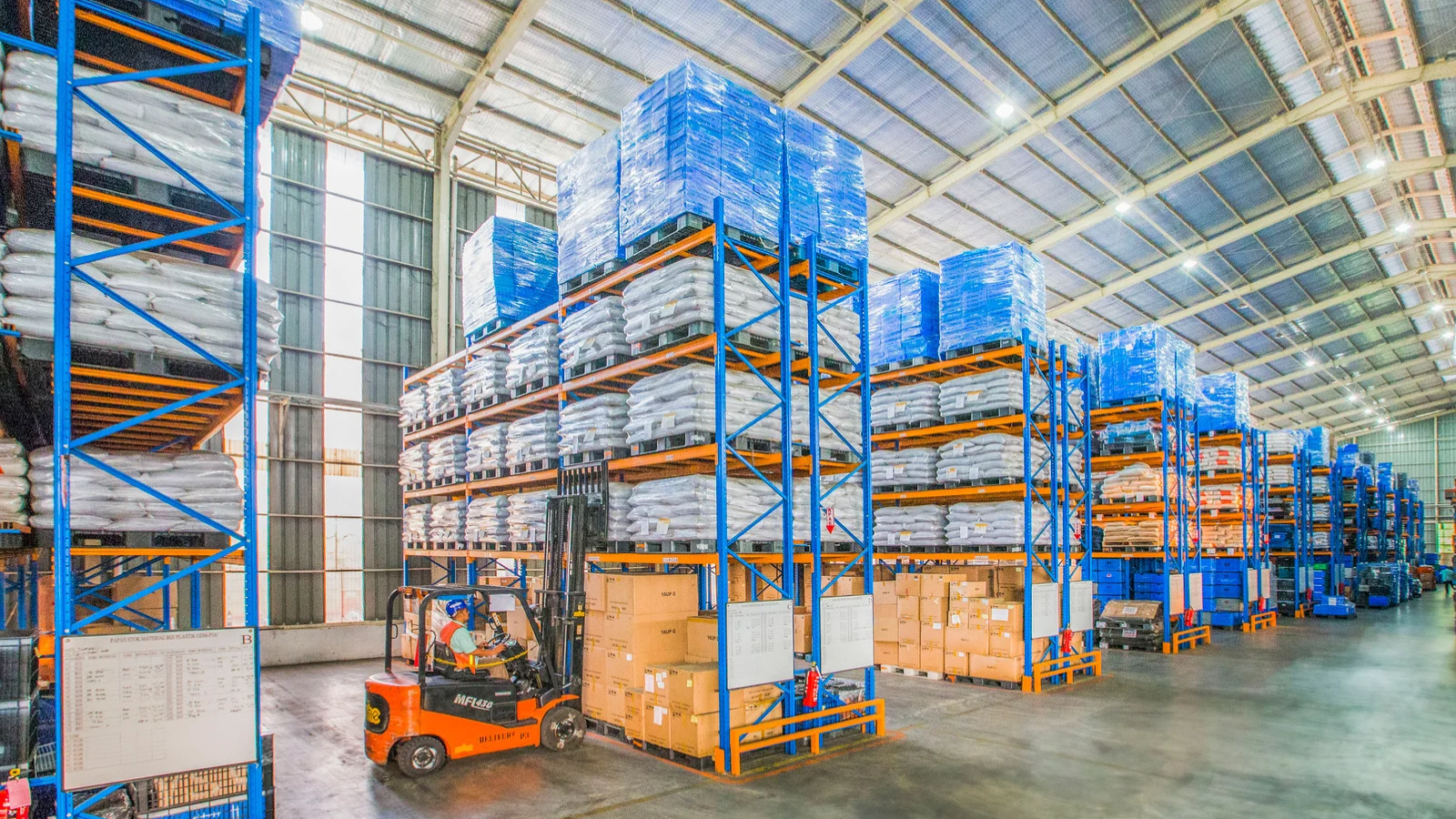
| Warehouses / logistics | Larger footprint but often lower foot-traffic risk; stored goods and pallet areas are key focus points |
| Offices | Generally lower risk; less frequent visits often sufficient unless there’s a specific recurring issue |
| Retail | Moderate risk; varies significantly by whether food or perishables are sold on-site |
| Healthcare facilities | High compliance sensitivity; documentation and low-toxicity treatment methods are often prioritised over frequency alone |
Property type is a starting reference point, not a fixed pricing formula, actual cost still depends on the specific facility’s size, layout, and pest history within that category. For F&B and food processing premises specifically, compliance requirements often shape pricing as much as pest risk itself, our pest control for F&B outlets and pest control for food processing facilities are structured around exactly this. If you’re weighing up compliance obligations alongside cost, our guides on SFA pest control compliance requirements and German cockroach risks in F&B kitchens cover the regulatory side in more depth.
SLA-Based Pricing: What It Means
Many commercial pest control contracts, particularly for larger facilities or businesses with strict compliance needs, are structured around a Service Level Agreement (SLA) rather than a simple visit count. An SLA typically defines:
- Guaranteed response times for reported pest activity
- Specific reporting and documentation standards
- Performance benchmarks (e.g. resolution timelines for confirmed infestations)
- Escalation procedures if issues aren’t resolved within agreed timeframes
SLA-based contracts often cost more than a basic scheduled-visit arrangement, but for businesses where downtime, compliance failure, or reputational risk carries a high cost (F&B, healthcare, food manufacturing), the added assurance an SLA provides is frequently worth the premium.
What Drives Cost Up or Down
Factors that tend to increase cost:
- High-risk pest categories (rodents, cockroaches in food environments) requiring more intensive treatment
- Higher visit frequency or SLA-based response guarantees
- Compliance documentation requirements (SFA, HACCP, healthcare standards)
- Larger facility size or complex layout with multiple zones
- Emergency or after-hours response requirements
Factors that tend to reduce cost:
- Lower-risk property types (general offices without food handling)
- Longer contract terms, which often come with more favourable per-visit rates
- Good existing pest prevention practices (proper waste management, sealed entry points) reducing treatment intensity needed
- Bundling multiple pest types under a single contract rather than separate arrangements
Comparing Commercial Pest Control Quotes
When comparing proposals from different providers, focus on scope rather than the bottom-line number alone:
- Confirm what’s actually included, visit frequency, pest types covered, documentation provided
- Check for SLA terms, response time guarantees can vary significantly between providers even at similar price points
- Ask about compliance-specific support, particularly relevant for F&B and healthcare, whether the provider understands and documents for your specific regulatory requirements
- Clarify what’s excluded and separately billed, emergency call-outs, specialised treatments, or additional pest types
- Compare contract length and cancellation terms, not just the annual figure
A lower quote with a narrower scope isn’t necessarily worse value, but it’s important to know you’re comparing genuinely equivalent proposals.
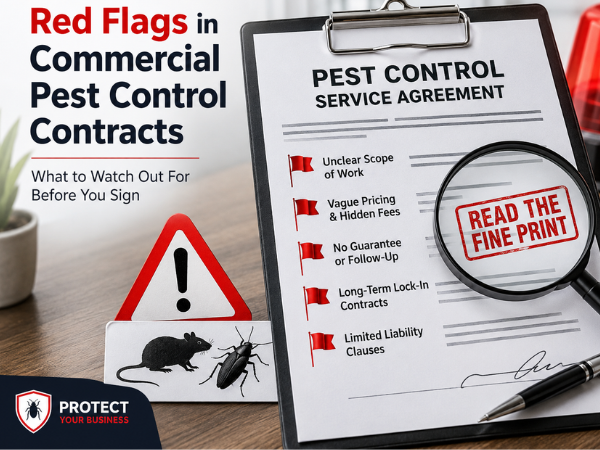
Red Flags in Commercial Pest Control Contracts
- A price quoted without a site visit, especially for anything beyond a very small, low-risk premises
- Vague or undefined scope, no clear visit frequency, response time, or documentation commitment
- No mention of NEA licensing or approved products, this should be standard, not a premium add-on
- Unclear cancellation or renewal terms, particularly automatic renewal clauses without clear notice periods
- No compliance-specific support for businesses that clearly need it (F&B, healthcare, food processing)
How to Get an Accurate Commercial Quote
- Request an on-site assessment, this is the only way to accurately account for your facility’s specific risk factors
- Describe your compliance requirements upfront, SFA, HACCP, healthcare standards, or client audit requirements, so the quote reflects what you actually need
- Ask for an itemised proposal, visit frequency, scope, documentation, and SLA terms clearly stated, not just a lump-sum annual figure
- Clarify emergency response terms, particularly important for high-risk or compliance-sensitive facilities
- Compare against your actual risk exposure, the cheapest quote isn’t the best value if it doesn’t cover what your business genuinely needs
Request a free consultation with Pest Free Management for a transparent, itemised commercial pest control proposal based on your facility’s actual needs.
Key Takeaways
- commercial pest control pricing depends on a combination of facility size, risk profile, service frequency, and compliance requirements, not square footage or visit count alone.
- Most commercial premises are priced on an annual contract rather than per-visit, given the ongoing risk and documentation many businesses require.
- Commercial pest control cost a properly structured contract should clearly define scope, frequency, response time, and documentation, ask if any of these aren’t spelled out.
- SLA-based pricing costs more but provides guaranteed response times and documentation standards, often worth it for compliance-sensitive businesses.
- property type is a useful starting reference, but actual pricing still depends on your facility’s specific risk factors, which only a site assessment can confirm.
- When comparing quotes, evaluate scope alongside price, not the bottom-line figure in isolation.
Frequently Asked Questions
1. How much does commercial pest control cost in Singapore?
there’s no single figure that applies universally, cost depends on facility size, pest risk level, required visit frequency, and compliance documentation needs. An accurate quote requires an on-site assessment specific to your business.
2. Is pricing based on square footage or visit frequency?
both factor in, alongside risk profile and compliance requirements. A smaller, high-risk facility (like a commercial kitchen) can cost more to service properly than a larger, low-risk office, which is why square footage alone isn’t a reliable pricing indicator.
3. What’s included in a commercial pest control contract?
well-structured contract should clearly define the pest types covered, visit frequency, response time for urgent issues, documentation provided, products and methods used, and contract terms. Anything not clearly stated should be clarified before signing.
4. Why do commercial pest control quotes vary so much between providers?
Differences typically come down to scope, visit frequency, SLA commitments, documentation standards, and compliance support, rather than one provider simply charging less for the same service. It’s worth comparing scope alongside price. If you’re also weighing up residential pricing for a mixed-use property, our residential and general pest control pricing guide covers that separately.
5. Do warehouses need protection against pests beyond rodents and cockroaches?
Yes, stored goods and wooden pallets can also be at risk from termites, particularly in older warehouses or those with timber racking and structural elements. Our complete guide to termite treatment methods and costs covers what drives termite-specific pricing, useful if your facility’s risk profile includes this alongside general pest coverage.
6. Does F&B compliance documentation affect the contract price?
Generally, yes, F&B and food processing contracts typically cost more than a comparable low-risk office contract, given the additional documentation, visit frequency, and audit-readiness these businesses need to maintain. We’ve written a complete breakdown of SFA compliance expectations for F&B outlets, which will be linked here once published, in the meantime, our team can walk you through exactly what your specific compliance obligations mean for pricing.
Discover More Pest Control Tips
Request a free consultation with Pest Free Management for a transparent, itemised commercial pest control proposal based on your facility’s actual needs.