
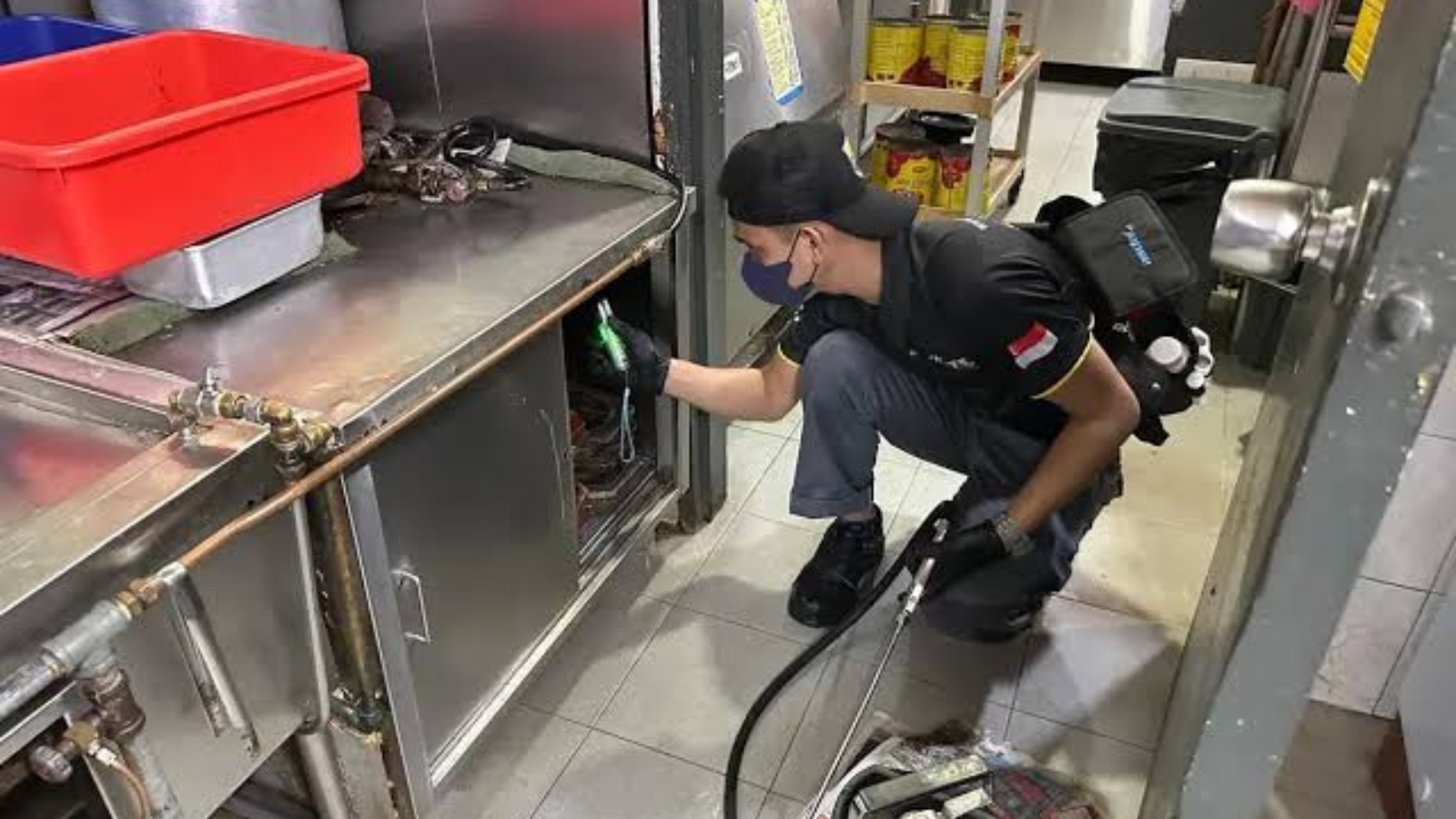
Ask most F&B operators what SFA requires for pest control, and you’ll get a vague answer along the lines of “you need a pest control company.” That’s not wrong, but it undersells how central pest management actually is to staying licensed, keeping a good hygiene grade, and passing an SFA inspection that could show up unannounced on any given day.
This guide breaks down what’s actually required, where pest control fits into your licence application, what SFA inspectors look for, and how to build a pest control programme that holds up to scrutiny rather than scrambling to prove compliance after the fact.
A note on this guide: SFA’s specific requirements can be updated from time to time, and some conditions vary by establishment type and risk category. This article reflects publicly available SFA guidance at the time of writing. For anything specific to your licence conditions, always confirm directly with SFA or check the latest guidance on sfa.
Table of Contents
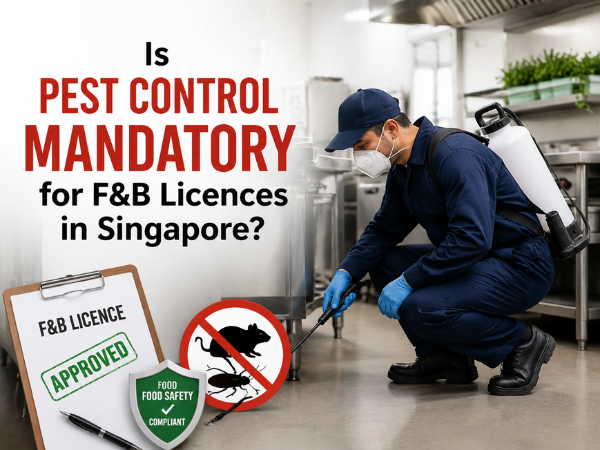
Is Pest Control Mandatory for F&B Licences in Singapore?
Effectively, yes. While SFA doesn’t necessarily mandate a specific pest control company or a fixed treatment schedule for every establishment type, a pest control contract or service arrangement is typically required as part of the documentation for a Food Shop Licence application, alongside your tenancy agreement, layout plan, and cleaning programme. New restaurants, cafés, and food shops generally need this arranged before their final pre-licensing inspection.
Beyond the application stage, maintaining pest-free premises is an ongoing licensing condition under the Environmental Public Health (Food Hygiene) Regulations, which govern how licensed food establishments must operate. In practice, this means pest control isn’t a one-time box to tick during licensing, it’s an ongoing obligation for as long as your licence remains active.
What SFA Actually Requires
SFA’s guidance for licensed food retail premises specifically addresses managing rat and cockroach activity, noting that these pests can contaminate food and food contact surfaces and cause foodborne illness. Operators are expected to implement preventive measures and good practices, such as providing an adequate number of covered refuse bins, as part of routine pest prevention.
SFA also publishes dedicated guidance documents for food establishments, including “Guidelines on Prevention of Rat and Cockroach Infestations at Food Establishments” and “Good Practices in Managing/Preventing Rat Activity in Retail Food Establishments,” which outline preventive measures operators are expected to follow. These sit alongside NEA’s broader vector control code of practice, which governs pest management more generally across Singapore, including the products and methods licensed pest control operators are permitted to use. This is exactly the framework our pest control for F&B outlets and pest control for food processing facilities are built around.
Book a professional inspection to assess your current pest control arrangement against your outlet’s actual risk profile, before your next SFA visit.
Pest Control as Part of Your Licence Application
If you’re applying for or renewing a Food Shop Licence, a pest control contract or service arrangement is one of the standard supporting documents expected alongside:
- Your tenancy agreement
- Premises layout plan
- Cleaning programme documentation
- Approval from relevant agencies (HDB, URA, as applicable)
For new outlets, it’s generally recommended to arrange pest control before your renovation and pre-licensing inspection stage, so the contract is ready when SFA requests supporting documents. Waiting until the inspection is scheduled to start searching for a provider is one of the more common, and avoidable, causes of delays in the licensing process.
What SFA Inspectors Look For
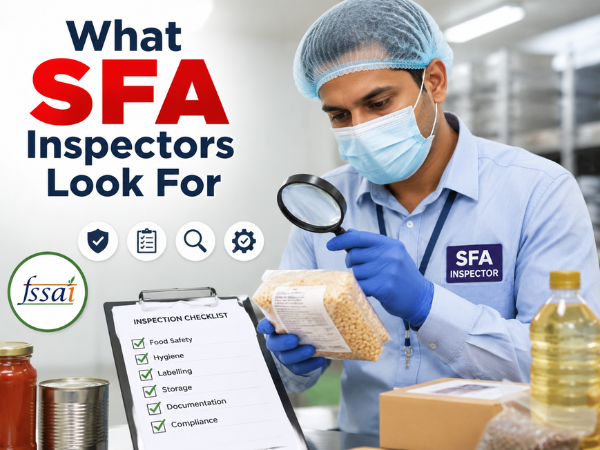
SFA conducts inspections that are typically unannounced, meaning your premises need to be consistently compliant, not just prepared for a scheduled visit. During an inspection, officers generally review documentation (including your licence, food handler certificates, and relevant records) and physically inspect the premises, including kitchens, storage areas, and dining areas, for cleanliness, proper food storage, and any signs of pest activity.
Specific to pest management, inspectors typically look for:
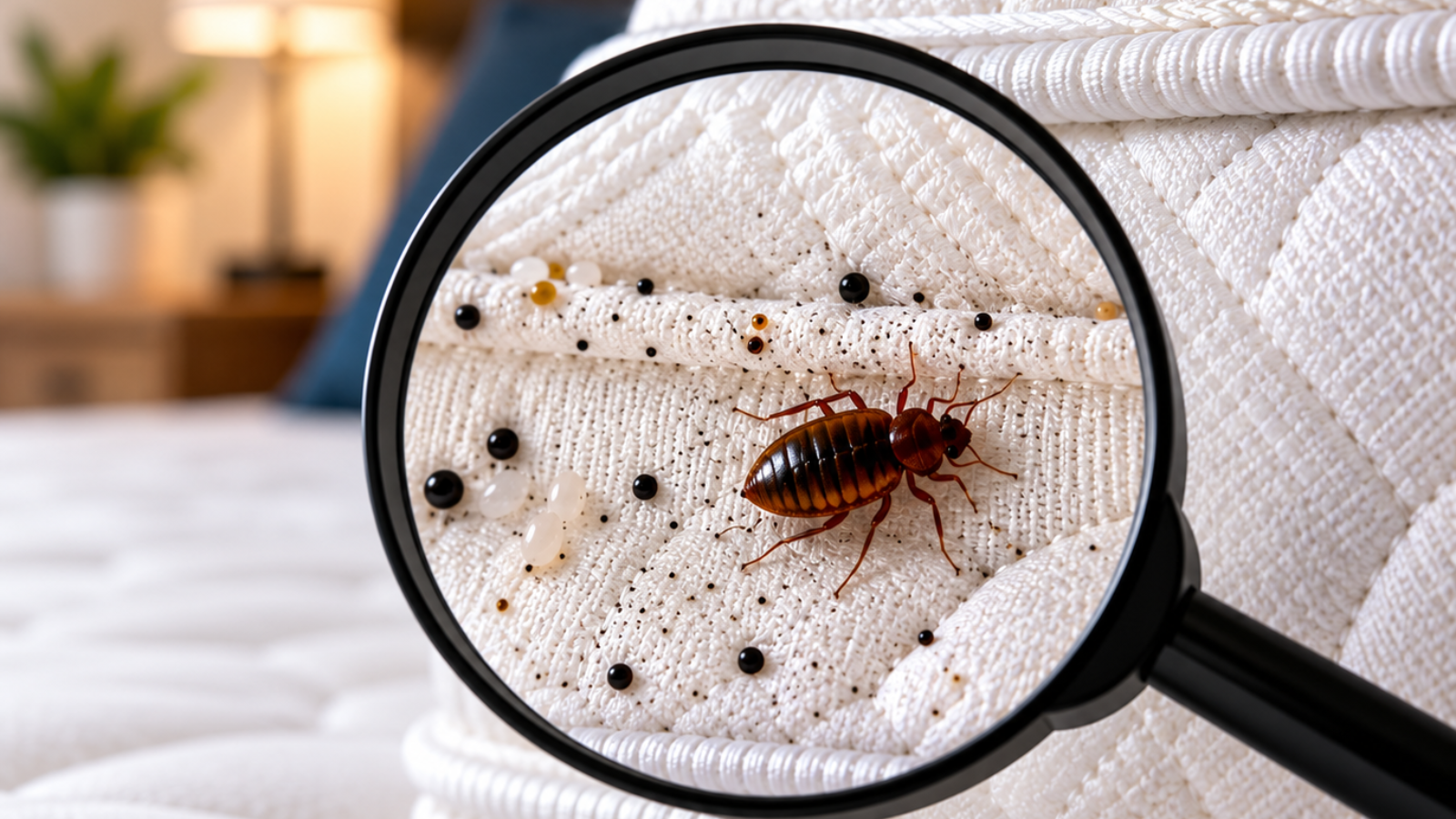
- Visible signs of pests, droppings, live insects, gnaw marks, or nesting evidence
- Whether refuse bins are adequate in number and properly covered
- General premises condition that could attract or harbour pests, gaps, cracks, poor drainage
- Evidence of an active, documented pest control arrangement
Findings here feed directly into your establishment’s hygiene grading and, in cases of serious or repeated issues, can contribute to demerit points or enforcement action. German cockroaches in particular are the species most consistently linked to F&B infestations in Singapore, our guide on German cockroach risks in F&B kitchens covers why they’re such a persistent audit risk. The same principles extend to offices and warehouses under our commercial pest control services, even outside SFA’s direct jurisdiction.
The SAFE Framework and Food Hygiene Grading
Singapore’s food hygiene grading operates under SFA’s Safety Assurance for Food Establishments (SAFE) framework. Licensed food establishments are assigned a grade (A, B, C, or D) based on inspection findings, which must be displayed at the premises and is also accessible to the public via SFA’s Track Records for Licensed Food Establishments webpage or the QR code on your licence.
Larger or higher-risk establishments, including restaurants with kitchens of 16 square metres or more, caterers, central kitchens, and food manufacturing premises, fall under a more rigorous category within the SAFE framework and are generally expected to have a Food Safety Management System (FSMS) and, in many cases, an appointed Food Hygiene Officer responsible for maintaining compliance, including pest management practices.
Pest activity findings during an inspection directly affect this grading. A visible pest sighting during an SFA visit is the kind of finding that can pull a hygiene grade down, and repeated or serious issues can escalate further.
Understanding the Points Demerit System
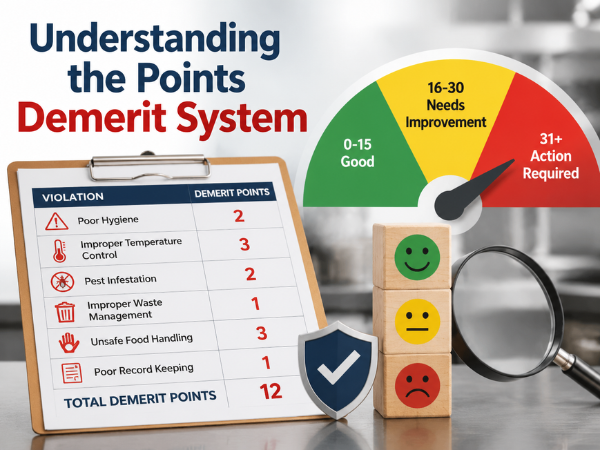
SFA operates a Points Demerit System (PDS) for licensed food establishments. Under this system, violations accumulate demerit points, and an establishment that reaches 12 demerit points within a 12-month period faces licence suspension, something SFA classifies as a “major lapse.” Establishments with suspended licences are also publicly listed, which carries its own reputational cost well beyond the suspension period itself.
While the specific number of points assigned to a pest-related violation can vary by severity and circumstance, the underlying principle is consistent: pest issues are treated as a genuine food safety violation under this system, not a minor administrative matter, and repeated pest-related findings can meaningfully contribute toward a suspension threshold.
How Often Does SFA Require Pest Control?
SFA doesn’t publish a single mandated frequency that applies uniformly to every establishment, since appropriate frequency depends on your outlet’s size, risk profile, and pest history. What’s expected is that pest control is ongoing and proactive, not a one-off arrangement made solely to satisfy the licence application.
In practice, most F&B outlets maintain monthly or more frequent scheduled treatments, with higher-risk premises (busy kitchens, outlets with a history of pest activity, or those near known pest hotspots like refuse areas) often requiring more frequent visits. Your pest control provider should be able to recommend an appropriate schedule based on an actual inspection of your premises rather than a generic default.
Book a professional inspection to assess your current pest control arrangement against your outlet’s actual risk profile, before your next SFA visit.
What Happens If Your Outlet Fails a Pest Inspection?
Consequences scale with severity and history. A single, minor finding might result in a warning or a lower hygiene grade at your next assessment. More serious or repeated pest issues can result in demerit points under the PDS, and if enough points accumulate within 12 months, licence suspension. In serious cases, particularly where pest activity poses a clear food safety risk, SFA can take more immediate enforcement action.
Beyond the regulatory consequence, a failed pest inspection or a public hygiene grade drop carries real commercial cost: a lower posted grade affects customer perception and can be searched by anyone via SFA’s public track record tool. This is part of why proactive pest management, catching and addressing issues before an inspection, matters more than trying to pass a single visit.
Building an Audit-Ready Pest Control Programme
A compliance-ready pest control setup typically includes:
- [ ] A current, active pest control contract or service arrangement with a licensed provider
- [ ] A documented treatment schedule appropriate to your outlet’s risk level
- [ ] Service reports kept on file after every visit, not just a verbal confirmation
- [ ] A simple pest sighting log staff can update between scheduled visits
- [ ] Covered, adequately sized refuse bins, cleared regularly
- [ ] Sealed structural gaps and well-maintained drainage to reduce pest entry points
- [ ] Staff trained to recognise and report early signs of pest activity
- [ ] A designated person (often your Food Hygiene Officer, where applicable) responsible for pest control oversight
None of these individually guarantees a passing grade, but together they demonstrate the kind of proactive, documented approach SFA inspections are designed to verify.
Documentation: What to Keep and Why
Good documentation is what turns “we do have pest control” into something you can actually demonstrate during an inspection. At minimum, keep:
- Your current pest control contract or service agreement
- Service reports from every treatment or monitoring visit
- Your internal pest sighting log, if maintained
- Records of any structural remediation done in response to pest findings (sealed gaps, repaired drainage, etc.)
Keeping these organised and accessible, whether physically on-site or digitally, means you’re never scrambling to prove compliance when an inspector asks, which is exactly the scenario unannounced inspections are designed to test.
Common Compliance Mistakes F&B Operators Make
- Treating pest control as a licensing checkbox rather than an ongoing operational requirement, letting the contract lapse or treatments slip after the initial licence is granted
- Not keeping service reports, relying on memory or a verbal assurance rather than documented visit records
- Reactive scheduling, only calling for treatment after a sighting rather than maintaining a preventive schedule
- Overlooking structural issues, treating symptoms (spraying for cockroaches) without addressing entry points or refuse management that keep attracting pests
- No staff training, missing early signs because frontline staff don’t know what to look for or how to report it
Each of these is avoidable with a properly structured pest control programme, which is exactly why the “audit-ready” checklist above exists as a standing reference, not a one-time setup task.
How Professional Pest Control Supports Compliance
At Pest Free Management, our approach for F&B clients is built specifically around what SFA inspections and hygiene grading actually assess:
- Full-site inspection, covering kitchens, storage, waste areas, and structural entry points, not just visible activity
- Documented, scheduled treatment, tailored to your outlet’s actual risk profile rather than a generic package
- Service reports after every visit, giving you an audit-ready record without extra admin work
- Practical structural and hygiene recommendations, addressing the root causes SFA inspectors are trained to look for, not just symptom treatment
Speak with our pest specialists about setting up a documented, SFA-aligned pest control programme for your F&B outlet.
Key Takeaways
- A pest control contract is effectively required as part of your Food Shop Licence application, and maintaining pest-free premises is an ongoing licensing condition, not a one-time requirement.
- SFA inspections are typically unannounced, so premises need to be consistently compliant rather than prepared only for scheduled visits.
- Pest findings directly affect your SAFE framework hygiene grade (A–D) and can contribute demerit points under the Points Demerit System, with 12 points in 12 months triggering licence suspension.
- SFA doesn’t mandate a universal treatment frequency, most outlets maintain monthly or more frequent scheduled treatment based on their specific risk profile.
- Documentation, service reports, sighting logs, and treatment schedules, is what turns a pest control arrangement into something you can actually demonstrate during an inspection.
- Reactive, checkbox-style pest control is one of the most common and avoidable compliance mistakes F&B operators make.
Frequently Asked Questions
1. Is pest control mandatory for F&B licences in Singapore?
Effectively, yes. A pest control contract or service arrangement is typically required as part of your Food Shop Licence application documentation, and maintaining pest-free premises is an ongoing condition of holding the licence, not a one-time requirement satisfied at application.
2. How often does SFA require pest control?
SFA doesn’t publish one universal mandated frequency, appropriate scheduling depends on your outlet’s size, risk profile, and pest history. Most F&B outlets maintain monthly or more frequent scheduled treatment, with higher-risk premises often requiring more frequent visits.
3. What happens if my outlet fails a pest inspection?
Consequences depend on severity. A minor finding might affect your hygiene grade or result in a warning, while serious or repeated pest issues can result in demerit points under the Points Demerit System, potentially leading to licence suspension if points accumulate within a 12-month period.
4. Do I need a licensed pest control company, or can I handle it myself?
While SFA guidance emphasises preventive practices operators can implement themselves (like proper refuse management), an ongoing professional pest control arrangement is expected as part of your licensing documentation and is generally the more reliable way to maintain consistent compliance and documentation for inspections.
5. What do the rat and cockroach signs SFA guidance refers to actually look like?
SFA’s published guidance specifically calls out rat and cockroach activity as the two pest risks most closely tied to food establishment inspections. If you want to know exactly what inspectors and technicians are trained to spot, our guides on signs of a rat infestation and 9 warning signs of a cockroach infestation cover the physical evidence in detail, useful both for your own walk-throughs and for training staff to catch issues between scheduled visits.
6. How much does compliant pest control cost for an F&B outlet?
It depends on your outlet’s size, risk profile, and required visit frequency, similar factors to residential pricing but generally scaled up given the documentation and consistency F&B compliance requires. Our general pest control pricing guide breaks down the factors that drive cost, and a site assessment is the only way to get an accurate figure for your specific outlet.
More Pest Control Resources
Request a free consultation with Pest Free Management to review your F&B outlet’s current pest control compliance and identify any gaps before your next SFA inspection.